Understanding Event Dynamics
Diving into the world of company galas, every photographer knows it's more than just capturing smiles and handshakes. These events are a melange of corporate branding, celebration, and high-profile networking. Understanding the event dynamics plays a crucial role in not just being another photographer at the venue but becoming an indispensable part of the event's success.
Grasping the essence of a company gala is key. It's a representation of the company's culture, achievements, and aspirations, reflected in everything from the choice of venue to the meticulous planning of each segment. As a photographer, recognizing this essence allows you to align your photography to reinforce the event's thematic goals.
Attendees typically range from the company's top brass to esteemed clients and potential business partners. Each guest comes with their unique importance to the host organization, necessitating a tactful approach to photographing them. The photos you take might just be the next profile picture of a CEO or featured in a corporate newsletter.
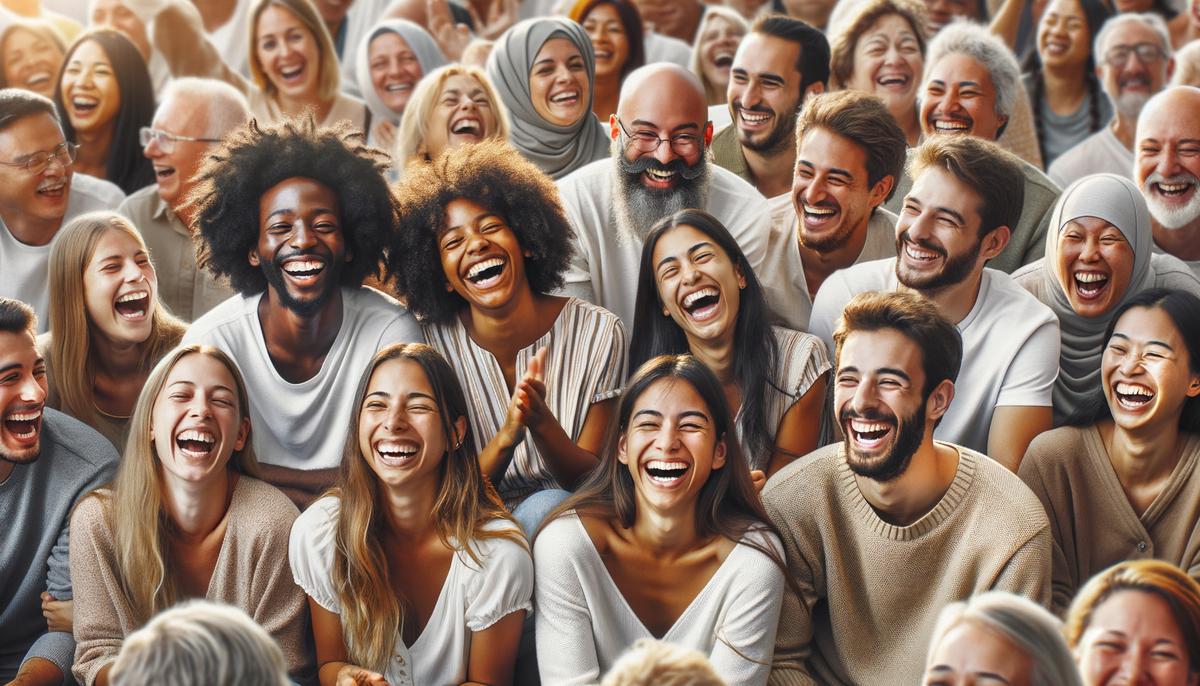
The atmosphere of a company gala can vary greatly – some are formal, while others may adopt a more relaxed vibe. Understanding this atmosphere beforehand can significantly influence the type of equipment you choose, your dressing for the event, and even how you approach attendees for photographs. A formal event calls for a more discreet and classical photography approach, capturing polished portraits and candid moments that exude elegance. A casual corporate barbecue is your playground for vibrant, energetic shots that showcase laughter and casual interactions.
Anticipating key moments is crucial. Speeches, awards, and spontaneous toasts are golden opportunities – parts of the gala where emotion and significance collate. Knowing the event's program helps, but also keep an eye out for the heartwarming reactions and interactions that often become the most cherished captures.
Familiarity with the event layout allows for seamless maneuvering through crowds and positioning yourself strategically for those must-have shots. It's all about being in the right place at the right time without obstructing the attendees' experience.
Professional interaction with guests is non-negotiable. Always approach with a smile and a polite request for a photograph. Being personable yet unobtrusive lets you weave through the crowd effortlessly, capturing the gala's essence without becoming a distraction.
Understanding a company gala's dynamics transforms you from someone who merely takes photos to a storyteller capturing moments that encapsulate the event's spirit. Your lens becomes an extension of the event, giving life to its fleeting moments and preserving its legacy through meaningful photographs. This insight elevates your photographic output and makes you a sought-after asset for corporate events.
Capturing Candid and Posed Shots
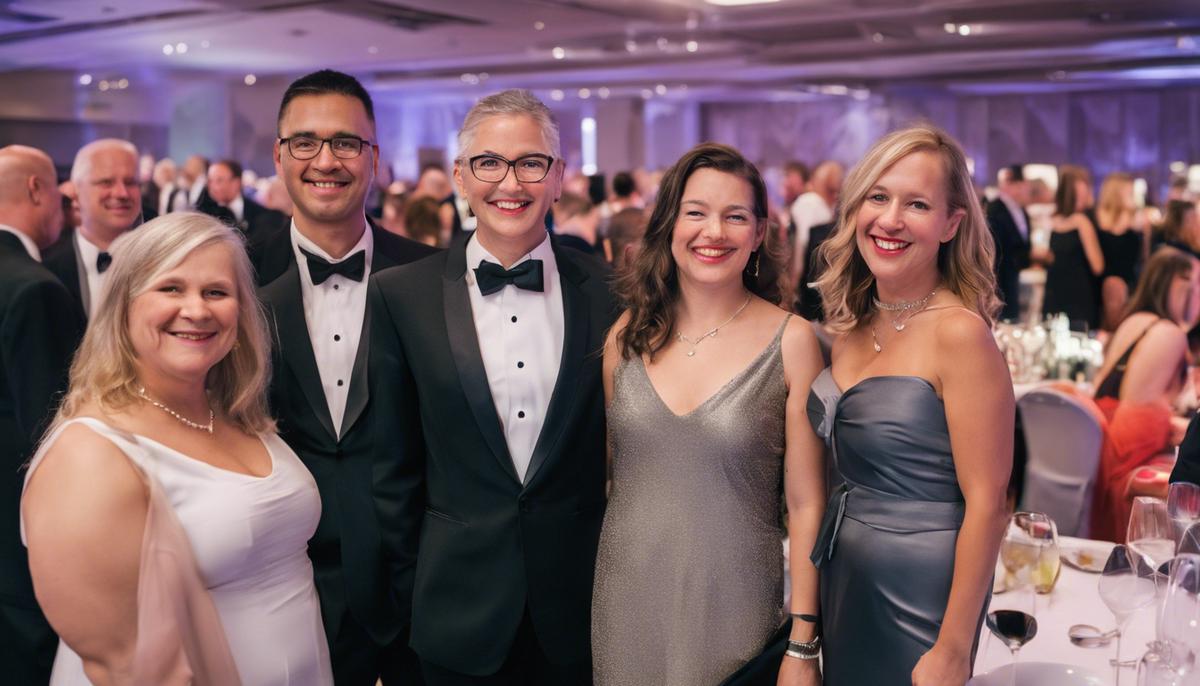
Capturing the perfect blend of candid and posed shots is an art that brings any event gallery to life. It's about capturing the essence of the moment while also showcasing people in their best light. The ability to swiftly maneuver between candid snaps and posed portraits can tell a compelling story of your event. So, how do you achieve this balance? Let's dive into some practical tips to ensure your photography rises to the occasion.
- Understand lighting: Always be on the lookout for natural light as it softens the appearance and brings a genuine glow to both candid and posed photos. For indoor events, scout the venue beforehand to identify light sources. For candid shots, position yourself near windows or open spaces where natural light flows freely. When it comes to posed shots, you may not always have the luxury of natural light. In these instances, a reliable flash or portable lighting kit will be your best friend. The aim is to mimic natural light, avoiding harsh shadows and glares.
- Master gear settings: For candid shots, you want to be quick and unobtrusive. A higher ISO setting can be helpful in low light conditions, allowing you to capture the action without blurring. Keep your camera on a fast shutter speed to freeze moments as they happen. For posed shots, you have more leeway to adjust settings and ask your subjects to 'hold the pose' if necessary. You might opt to lower your ISO and shutter speed, allowing for a more controlled environment to create that perfect portrait.
- Make subjects feel at ease: Candid shots thrive on spontaneity, but even these unplanned moments can look awkward if people are tense. The key is blending into your environment; the more inconspicuous you are, the more natural your candids will appear. When it comes to posed photos, interaction is crucial. Engage with your subjects, make them laugh, and encourage them to be themselves in front of the camera. This strategy will result in genuine smiles and add a sparkle of personality to your posed shots.
Reading the room quickly is another significant aspect. Not everyone feels comfortable being photographed, so it's paramount to recognize these cues. If someone seems uncomfortable with candid shots, respect their space and focus your lens elsewhere. For posed shots, encouragement and a bit of humor can work wonders in loosening them up for the camera. A relaxed subject makes for captivating photos.
Transitioning from candid to posed shots doesn't have to mean adjusting your entire setup. Spend some time learning your camera's capabilities. Master shortcuts and become adept at changing settings swiftly without breaking your concentration or missing a beat. This expertise can help keep the rhythm of your photography seamless and ensure you're always ready, no matter what the moment calls for.
Capturing a mix of candid and posed photos involves understanding lighting, mastering gear settings, and making your subjects feel at ease. Maintain a balance between being invisible and engaging, all while adapting to the environment and energy of the event. This delicate dance between spontaneity and structure can transform a good gallery into a great one, truly encapsulating the essence of the occasion.
Post-Event Editing and Delivery
With the final click of the evening and a memory card full of precious moments, the job of capturing the event's spirit may be done, but another critical phase is just beginning: post-event editing and delivery. This phase is where the raw material transforms into a polished collection of memories, ready to be shared and revisited by the client. Let's dive into how this can be achieved efficiently without sacrificing quality.
Backing up your files is an essential step that cannot be overlooked. Safeguard these memories by storing them in multiple locations, such as on an external hard drive and a cloud storage service. This redundancy ensures that no matter what happens, the images will be secure.
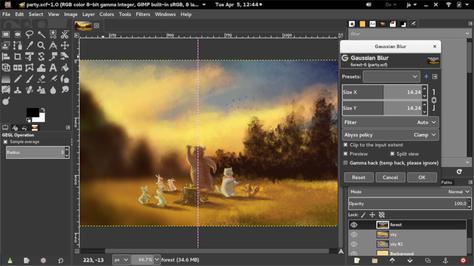
Once your photos are safely backed up, it's time to start the editing process. Modern editing software provides a wealth of tools to enhance your photos, but the goal is to improve, not overwhelm. Start by discarding any images that are blurry, poorly framed, or unflattering. This initial culling significantly reduces your workload and allows you to focus on the best shots.
Adjusting exposure and color balance comes next. Events can have varying lighting conditions, and it's common for photos to need some level of correction. Editing software makes it easy to adjust these elements, ensuring that your final images have consistent lighting and color tones. Don't forget to correct any tilted horizons or to crop out any distracting elements from the frame for cleaner compositions.
Minor adjustments can make a big difference. Softening shadows, enhancing highlights, and removing any unsightly blemishes or disruptions can help your subjects look their best. However, aim for a natural look; your objective is to enhance, not alter reality drastically.
Creating a cohesive series of images may require applying similar editing settings across multiple photos for consistency. Most editing software allows for batch processing, enabling you to apply the same adjustments to several images at once. This feature helps maintain a uniform look while reducing your editing time.
Timely delivery of your edited pictures shows professionalism and reliability. Determine the best format for final delivery with your client beforehand. Whether it's through an online gallery, a USB drive, or perhaps physical prints, ensure the method suits their needs while protecting the image quality. Always communicate clearly throughout this process, letting them know when they can expect their photos and answering any queries they might have promptly.
Post-event editing and delivery is a critical component that caps off your services as an event photographer. By following a structured workflow for editing and leveraging modern tools to enhance image quality, you can provide your clients with a beautiful collection of memories they'll cherish. Efficient execution and delivering on promises further cement your reputation as a reliable professional in the industry.
- Langford M, Fox A, Smith RS. Langford's Basic Photography: The Guide for Serious Photographers. 9th ed. Focal Press; 2015.
- Kelby S. The Digital Photography Book: Part 1. 2nd ed. Peachpit Press; 2013.
- Langford M, Fox A, Smith RS. Langford's Basic Photography: The Guide for Serious Photographers. 9th ed. Focal Press; 2015.
- Kelby S. The Digital Photography Book: Part 1. 2nd ed. Peachpit Press; 2013.