Unique Challenges of Festival Photography
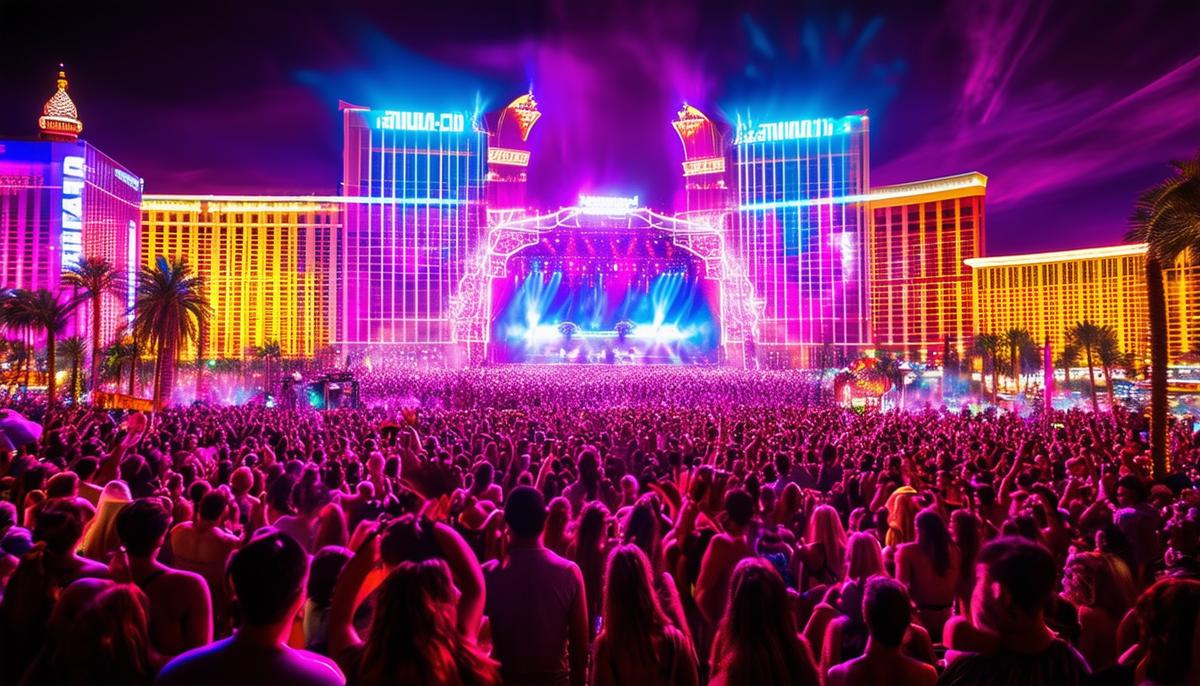
Festival photography in Las Vegas presents a unique set of challenges. Fluctuating lighting conditions, from the bright Nevada sun to the artificial stage lights, require photographers to make rapid adjustments to their camera settings. Navigating through bustling crowds while trying to capture the perfect shot demands quick reflexes and anticipation skills.
The motion inherent in festival scenes—dancers twirling, musicians head-banging, and crowds swaying—calls for expertise in shutter speeds and timing. Capturing sharp images that convey movement without blurring the subject is a testament to a photographer's familiarity with their equipment and ability to anticipate fleeting moments.
Furthermore, festival photographers must tell a story through each photo, encapsulating the shared human experiences and emotions that define these vibrant spectacles. Whether it's the collective anticipation of the crowd releasing lanterns into the night sky or the intense concentration of a guitarist mid-solo, each image should resonate with the festival's spirit.
To succeed in this dynamic environment, festival photographers must be agile both mentally and physically, translating the eclectic vibrancy of Las Vegas festivals into still images that evoke the euphoria of the event in every frame.

Capturing the Essence of Las Vegas Festivals
Professional photographers employ a range of techniques to capture the essence of Las Vegas festivals. Careful equipment choices, strategic angles, and seizing serendipitous moments are key to recreating the effervescent ambiance of the scene.
A sturdy camera body that performs well in various light conditions is essential. Lenses are chosen with precision:
- Wide-angle lenses encompass sprawling crowd scenes and vast stage setups
- Fast aperture telephoto lenses allow for zooming into distant actions without losing clarity
Flash use is balanced to complement the natural or stage lighting, which is critical to the festival's atmosphere.
Photographers utilize an array of angles to convey the festival's essence innovatively. High-angle shots from above the crowd showcase the vastness and enthusiasm of the gathering, while ground-level shots provide an immersive experience. Detail shots of attendees' expressions, festival décor, and interactions highlight the event's personality and scale.
Timing is crucial in capturing captivating festival photos. Photographers strive to press the shutter at pivotal moments where emotion, action, and environment collide, creating frames that pulsate with life and reverberate with the festival's dynamism. Anticipating and positioning themselves optimally for these fleeting moments requires a deep understanding of human behavior and event flow.
By harnessing their technical competence and intuitive grasp of the festival's rhythm, professional photographers ensure that each image serves as a vivid reminder of the collective joy and exuberance that festivals embody, resonating with viewers on an evocative level.

Impact of Photography on Festival Experience
The presence of photographers at festivals significantly influences the atmosphere and attendee behavior. When festival-goers notice a camera pointed in their direction, their experience and actions often change. Some may become more animated, playing up to the cameras and injecting additional energy into the surroundings, while others may become self-conscious and alter their natural behavior.
Photographers contribute to creating a spectacle out of moments that might otherwise be fleeting. The potential for appearing in a published photo can encourage attendees to:
- Dress more distinctively
- Engage more deeply with activities
- Express themselves more freely
People often enjoy the thought of their experiences being captured in professional photos that may be shared across various platforms.
Moreover, photographers shape the collective memory of the festival by emphasizing themes of unity, joy, spontaneity, or whatever underlies the festival's ethos. They highlight moments of connection among strangers, joyous reactions to performances, and serene contemplation of art installations. Each photo adds to the overarching narrative of what the festival represents, potentially influencing future perceptions and attendance.
However, the pervasive influence of photography on festival dynamics raises ethical considerations. The omnipresence of cameras might lead to a culture where capturing memories overtakes the importance of living them, with some attendees prioritizing photo opportunities over genuine enjoyment and immersion in the festival's atmosphere.
Photographers wield the power to amplify, shape, and cradle the mood and experiences of a festival, enhancing attendee interactions and adding layers of significance that resonate beyond the event itself. As these images circulate, they immortalize the festival in collective memory and influence its future character and appeal.

Post-Production and Presentation
Post-production is where raw festival images are transformed into storytelling masterpieces. Photographers meticulously edit each photo to capture the festival's soul and sentiment, allowing viewers to feel connected to the experience.
Color correction ensures that the colors in the photographs accurately reproduce the atmosphere witnessed during the event. Precise tuning of hue, saturation, and luminance is essential to convey the warmth of a sunset at a desert festival or the vibrant hues of a neon-lit electronic dance music gig.
Cropping serves both aesthetic and narrative functions. By trimming extraneous parts of an image, photographers can focus on the composition's central elements, like an intimately captured expression or a dynamic action shot. Strategic cropping can turn a good photograph into a moving story by emphasizing details and structuring frame alignments that echo the festive energy.
Adjusting lighting is crucial in reflecting the festival's underlying mood and tone. Photographers enhance natural and stage lighting effects to create an image that feels true to the viewer's memory while intensifying aspects that elevate the overall emotional impact. Balancing artistry with authenticity is key in this process.
Advanced techniques like HDR merge or focus stacking might be employed to manage scenes with highly contrasted lights and darks or bring exhaustive focus throughout a layered image.
Digital asset management—sorting, tagging, and cataloging—is a crucial step in modern photography workflow. It ensures that each image is accessible, organized, and prepared for its ultimate purpose, whether it be exhibitions, online presentations, or media distribution.
Effective post-production enhances memories, making each image a gateway back to moments of joy, unity, and celebration. By mastering these technical skills and channeling the festival's true essence via refined editing techniques, photographers can fully render the soul-stirring euphoria of festivals, making each snapshot a treasure trove of collective merriment.

In conclusion, festival photography plays a vital role in amplifying and shaping the festival experience. Photographers capture fleeting moments of joy and unity, crafting images that preserve memories and enhance the collective spirit of the event. These visual narratives serve as lasting reminders of the vibrancy and energy that define Las Vegas festivals, ensuring each photograph resonates with viewers long after the event has concluded.
- Guzman AL. Festivals as Spaces of Identity, Belonging, and Activism. J Pop Cult. 2019;52(4):824-841.
- Chalfen R. Interpreting Family Photography as Pictorial Communication. In: Prosser J, ed. Image-Based Research: A Sourcebook for Qualitative Researchers. London: Falmer Press; 1998:214-234.
- Zubernis L, Larsen K. Fandom at the Crossroads: Celebration, Shame and Fan/Producer Relationships. Newcastle upon Tyne: Cambridge Scholars Publishing; 2012.