Event Photography Essentials
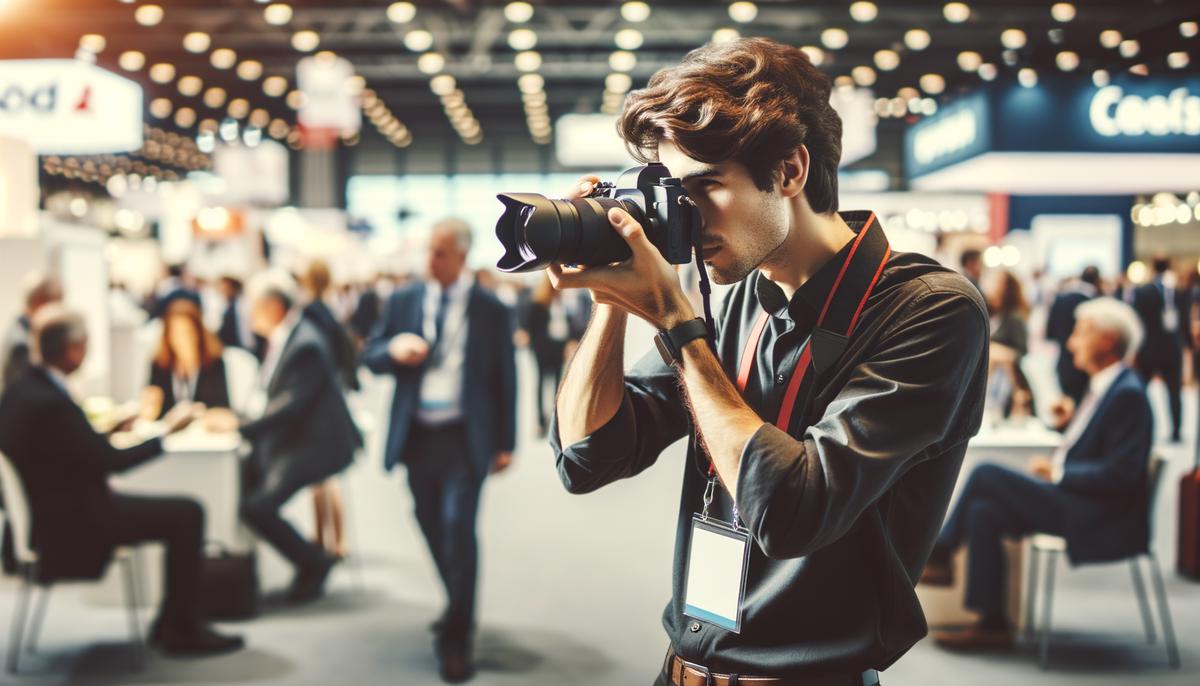
Key Lime Photography immerses their skills in capturing dynamic moments and details at bustling trade shows in and around Las Vegas. Camilla Sjodin, the lead professional, champions an artful, observational approach when maneuvering through the sprawling, lively setups of event spaces. Her adept coordination ensures she's poised at the perfect angles, ready to snap when the energy peaks.
Understanding camera settings is vital. For indoor events like trade shows, photographers often adjust ISO settings to compensate for varied lighting conditions. Lower ISOs are favorable when natural light subtly illuminates the booths. Conversely, if lighting dims, a higher ISO might be necessary, yet maintaining minimal noise is crucial. Aperture settings also play an essential role; a wider aperture lets more light into the lens, maintaining sharp images in lower light.
For capturing genuine interactions and happy chance encounters, timing is everything. Key Lime Photography exhibits a knack for employing a mix of candid and carefully staged photos, encapsulating the enthusiasm and engagement of attendees. Zoom lenses are versatile allies, empowering photographers to capture both broad shots of exhibits and close-ups of tangible textures and excitement without intruding into personal spaces.
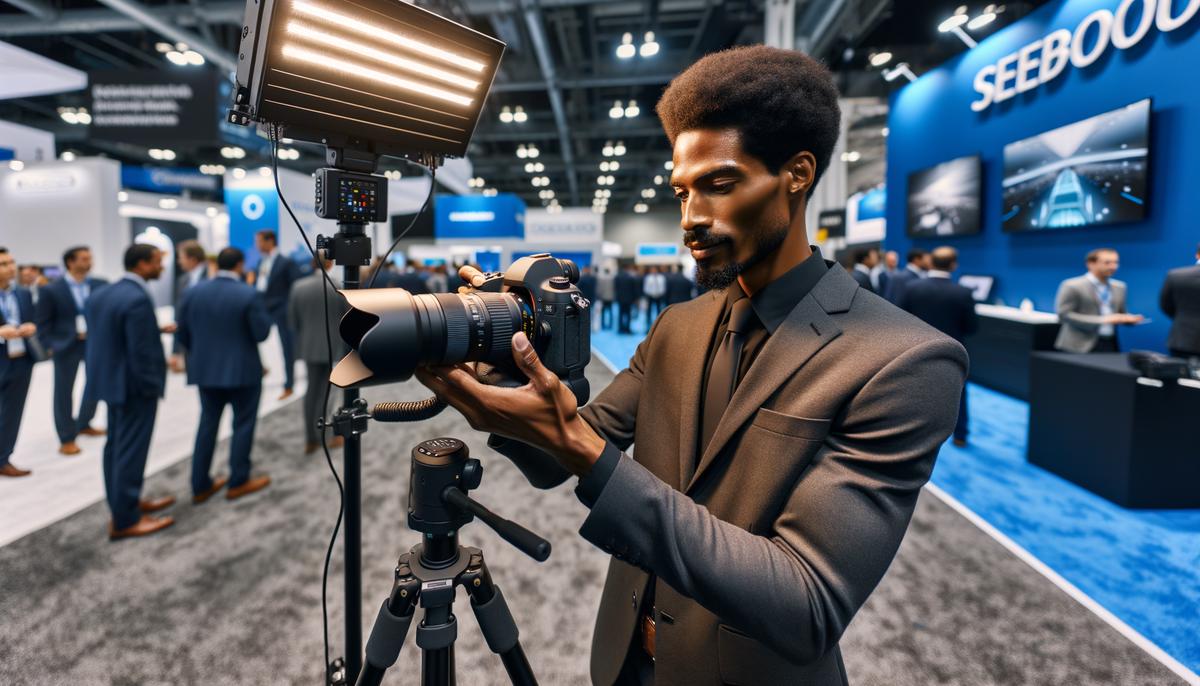
Lighting can make or break the visual narrative of any trade show. Rather than solely relying on the ambient or artificial lighting provided by the venue, professional photographers sometimes bring in additional lighting equipment to enhance visual depth and reduce shadows in crucial shots, such as when documenting intricate details of a product or booth displays.
Photos captured integrate into an expansive photographic narrative that stands out through precise post-processing. This involves not only basic adjustments like balancing exposure and saturation but also sophisticated retouching where emphasis is placed on vibrancy and clarity to make each photo pop — essential for drawing eyes in digital marketing campaigns or print advertisements.
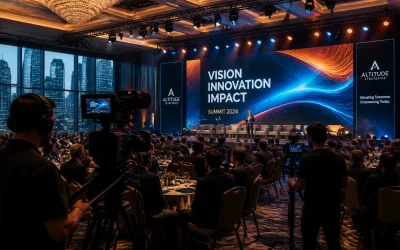
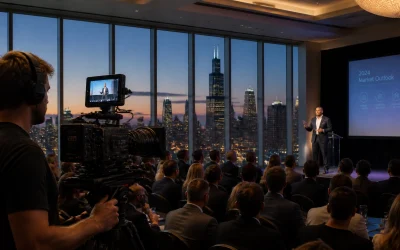
At conventions bustling with constant activity, from rapid glances during a keynote speech to the structured networking around cocktail tables, every photograph conveys the story of abundant opportunities and intricate connections within the industry.
Working with Professional Photographers
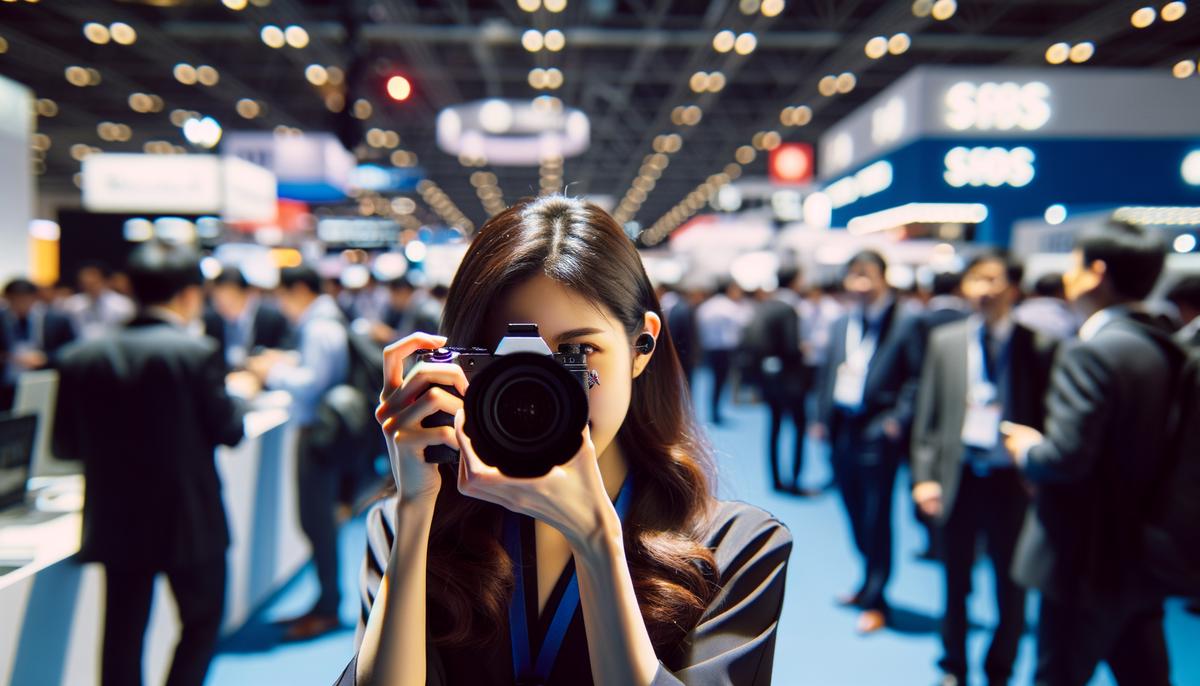
Hiring professional photographers for trade shows brings a plethora of benefits that go beyond just having high-quality images. Professional photographers, like the team at Key Lime Photography, possess a deep understanding of technical aspects and equipment that can make a significant difference in capturing the true essence of an event.
Their technical skillset includes an advanced understanding of lighting techniques which is vital in creating vibrant and engaging images under the sometimes challenging indoor lighting conditions of trade shows. Professional photographers are equipped to manage these scenarios, using their tools to manipulate light in a way that highlights products and presentations effectively.
Professional photographers bring a unique perspective to your event. They have the trained eye necessary to spot compelling stories and moments that unfold amidst the hustle of a trade show. This ability ensures the capture of images that tell a more compelling story of the event, one that could resonate well with your audiences in both marketing materials and detailed documentation of the event's success. Their expertise allows them to produce a narrative through visuals that offer much more than what meets the eye.
By employing professionals, you also guarantee a higher level of image quality — crucial when these images are being used for large format prints, high-stakes promotional materials, or digital platforms where detail and color precision matter immensely. These photographers use high-resolution gear that captures every detail, from the texture of a product to the dynamic expressions of participants, crafting visuals that draw attention and engagement.
Additionally, professional photographers' ability to create visually compelling content can significantly enhance your marketing strategy. These images can be pivotal in social media campaigns, press releases, and email marketing where the visual component often determines the engagement level. Images from professionals ensure consistency in quality and branding, supporting your company's image in a coherent and visually appealing manner.
Hiring professionals like those at Key Lime Photography for trade show events not only elevates the quality of your visual content but also enriches your marketing narrative, allows for detailed event documentation, and ensures that every key moment is captured with artistry and technical expertise. The investment in professional photography is part of the larger strategy of creating and maintaining a dynamic and engaging brand image that can attract both new prospects and delight existing customers.
Photography in Marketing and PR
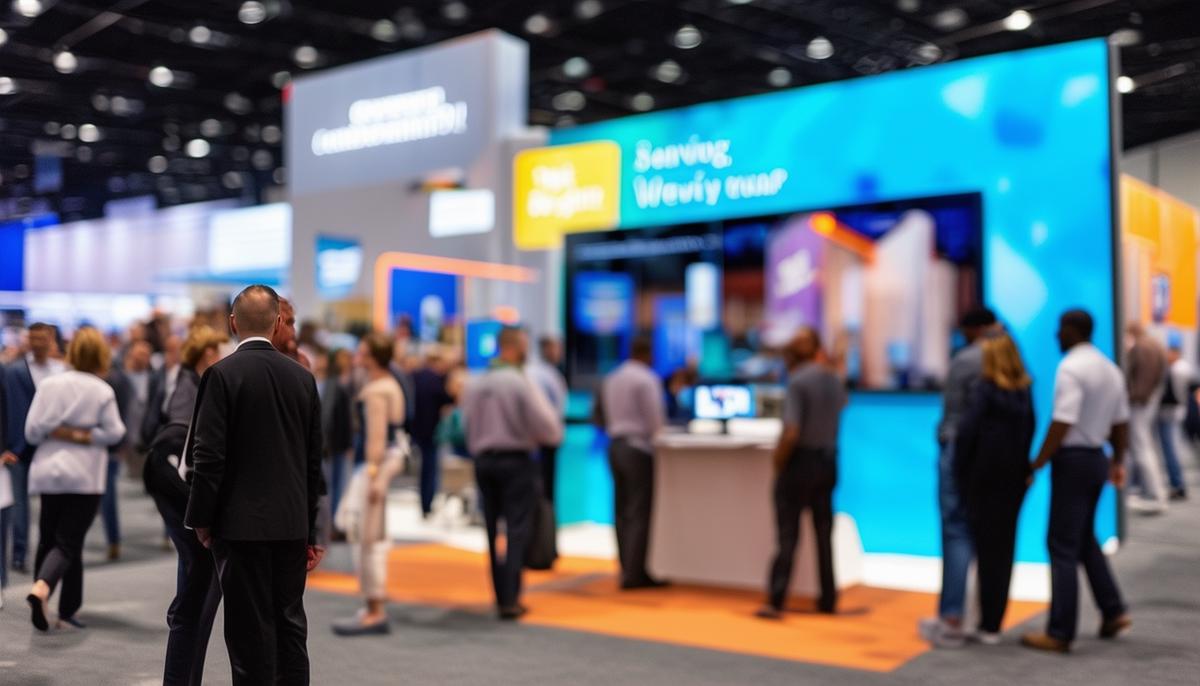
In marketing and public relations, the strategic utilization of trade show photography can be a game-changer for brands looking to amplify their presence and influence. The vibrant, high-quality images captured at such events serve more than just a documentary purpose; they are a potent tool for storytelling and building a brand's visual narrative. This narrative, when skillfully crafted and shared, can engage audiences, enhance a business's image, and facilitate deeper connections with consumers and stakeholders.
Trade show photographs often find their valuable spots in a variety of marketing materials and platforms:
- Businesses frequently incorporate these polished images into press releases that aim to capture the grandeur of their booth and the bustling activity it attracted.
- Modern consumers scroll through social media feeds rapidly, making it essential for images to be eye-catching and indicative of a brand's key messages.
- Compelling photographs from trade shows can adorn posts, stories, and ads, fostering engagement through likes, shares, and comments.
- Brands efficiently use these visual posts to narrate their journey through the event—from the initial setup and peak moments of visitor interaction to concluding celebrations.
Well-shot imagery can depict a story where potential customers see themselves benefiting from the featured products or services. For example, a brand may showcase photos on Instagram that feature smiling attendees actively engaging with their new products. Such images inspire viewers to participate in future events or explore what the brand offers more eagerly.
Such photography spurs interest when utilized in email marketing campaigns. Curating a selection of outstanding photos from a trade show and dispatching them to subscribers in an attractively designed email can keep the audience informed and intrigued about the company's endeavors. Clever captions and engaging write-ups alongside these photos can lead to increased web traffic and inquiries about services or products showcased.
Creating "behind-the-scenes" content is another insightful strategy employed by businesses. Showcasing photographs that give an inside look into the preparations before the big day or the winding down after the event hours can humanize a brand, revealing team effort and dedication. These images resonate well with an audience that values transparency and hard work, traits that bolster brand reliability and affinity.
Companies often feature these images as central visual elements of success stories they share across various platforms, asserting proof of client engagement and satisfaction. Not only do such displays celebrate success but also underpin credibility and success potential to prospective collaborators or clients.
Trade show photography ultimately serves a dual purpose. It enables businesses to preserve and recount the pivotal moments of their participation in significant industry events and strategically leverage these documented instances to nurture and strengthen their market presence. Engaging professional photography services ensures that every captured moment is woven into an overarching narrative that resonates with existing supporters while attractively drawing in prospective customers, making every shot a valuable asset in the grand scheme of brand marketing and public relations.
Post-Production and Usage
In the post-production phase, the refinement of trade show imagery begins. This process is crucial as it turns raw photographs into polished assets that reflect the quality and essence of your brand. The first step involves selecting the most impactful images from the event. This often means sifting through hundreds, if not thousands, of photos to find those that best capture the desired moments and expressions.
Once the selection is made, photo editing plays a pivotal role. Editing is not just about adjusting the brightness or contrast; it includes:
- Color balancing: Ensuring that the photographs reflect true-to-life colors as seen at the show. This is especially important for products where color accuracy can influence consumer perception.
- Cropping: Composing the image more effectively, drawing attention to the main subjects and discarding any unnecessary distractions from the background.
- Retouching: Removing blemishes on physical products, enhancing textures and details that make the image more appealing and informative.
- Creative effects: Adding sophisticated tools and techniques to enhance the storytelling aspect of the images, such as using selective focus to highlight a new product while subtly blurring the background.
Secure storage and management of these images is paramount to protect your investment. Utilizing cloud storage solutions provides both security and accessibility, allowing team members to access the photos from different locations and devices. Properly cataloging images with metadata, such as keywords and tags, ensures quick retrieval and efficient use of the assets. Regular backups and using reliable data protection services can safeguard against data loss.
Looking beyond a single event, these images hold potential for long-term engagement across various media platforms. In an era where content is king, having a library of high-quality images can feed your marketing channels for months. You can repurpose trade show photos not only for immediate post-event reports but use them in brochures, newsletters, annual reports, and recruitment materials.
On social media platforms, these images can be used repetitively in various forms – such as throwback posts, behind-the-scenes galleries, or even to announce your next participation at an upcoming trade show. Each use reinforces brand identity and keeps your audience interested and engaged over time.
In digital marketing, positioning these images in blogs, on landing pages, and in online ads can greatly intensify the user experience by providing a visual connection to text content which might otherwise be too abstract or impersonal. High-resolution images also make fantastic additions to video content, helping to break up segments with vibrant visuals or used as impactful backgrounds.
Revisiting these images with fresh eyes post-event, agencies can analyze attendee interactions and expressions to gather insights into customer responses and behaviors around products exhibited. Such analyses can assist in fine-tuning both future event strategies and overall marketing tactics.
From capturing to curating to final uses, each step in the management of trade show photography intertwines with strategic marketing objectives. Leveraging professional editing practices and thoughtful management of these visual assets can maximize their value over time, making every photo work harder for your brand. This sustainable approach ensures richness in both visual appeal and strategic utility, empowering brands to maintain a dynamic interaction with their audiences through compelling visual storytelling.
Emerging Trends in Trade Show Photography
As trade show photography evolves, staying abreast with emerging technological trends is crucial for brands aiming to create a memorable visual imprint of their events. The integration of advanced photographic techniques such as drone photography, 360-degree cameras, and virtual reality (VR) is revolutionizing the way event coverage is approached, offering new perspectives from different heights and angles.
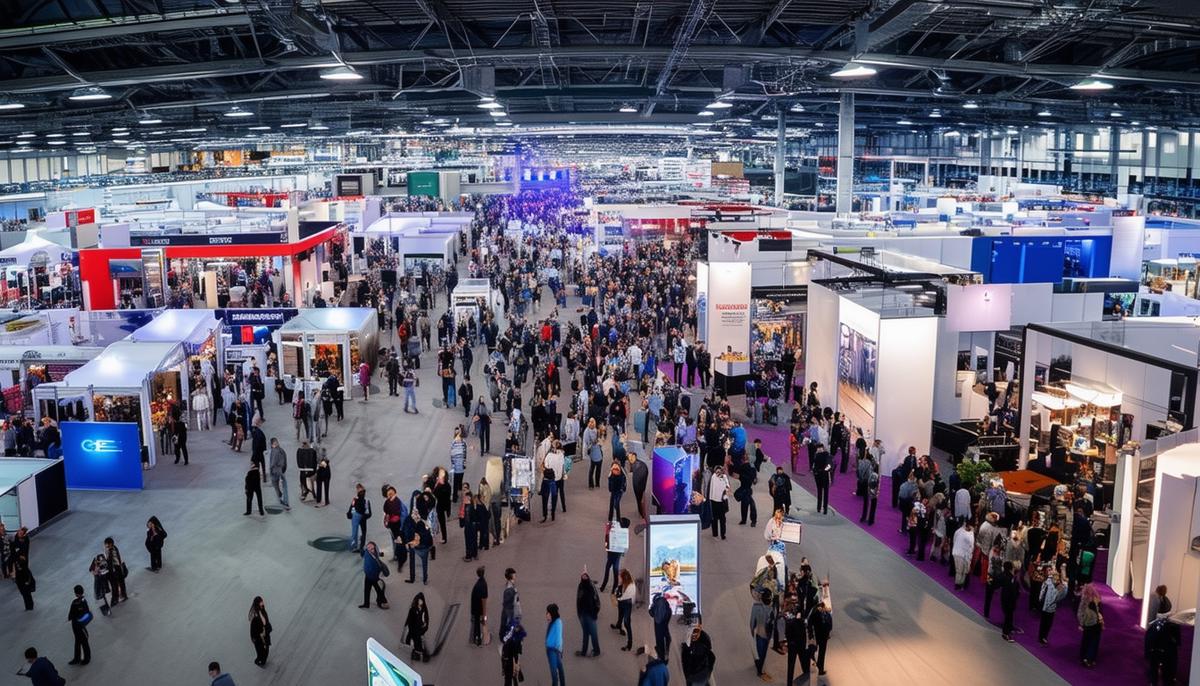
Drone photography, initially popularized by its applications in picturesque aerial landscapes, is making a significant mark in trade shows. By capturing sweeping, high-angle shots of the crowded event floors or zooming out to capture the vastness of elaborate exhibition spaces, drones can be utilized to offer a synthesis of scope and detail. This element brings depth to the coverage by showcasing the scale of attendance and booth layouts—which are vital data points for understanding event reach and visitor behavior.
Further enhancing the visual storytelling, the use of 360-degree cameras transports viewers right into the action. These cameras enable a sphere-like panoramic view, ensuring not a single angle is missed. Whether it's illustrating the hubbub of a groundbreaking tech demonstration or giving a virtual tour of expansive product setups, 360-degree imagery allows your audience to absorb the event's atmosphere from every possible view. More meaningful engagement can be driven when audiences are allowed to control what they wish to look at, nearly mimicking an in-person experience, all from the comfort of their screen.
Virtual reality is arguably the zenith of immersive technology at trade shows. Layering the physical with the digital, VR can transport users to digitally recreated show floors, offering a hyper-realistic tour of trade exhibit spaces or dynamic product demos. Imagine attendees putting on VR headsets and not just looking at a device but interacting with a 3D model of it, manipulating its parts or operating it in a virtual space. These experiences create intense personal connections with the product, elevating above the usual passive booth visit.
These growing trends seamlessly tie into live streaming, another increasingly popular application being wielded by photographers. Utilizing both traditional methods alongside innovations like VR, organizers can now harness these technologies to broadcast live to global audiences, thus extending the reach of trade shows beyond geographical and logistical constraints.
The role of photographers has become increasingly complex and inventive as they merge traditional skills with cutting-edge technologies. They are not just capturing events but are now pivotal in crafting immersive experiences that can transport viewers across different platforms, expanding the scope of conventional trade show engagements.
In leveraging these exciting developments, exhibition organizers and exhibitors are provided with not just a means to broadcast their events more extensively, but an opportunity to create an engagement that resonates more profoundly with their audiences. This shift not only enhances the value provided by such events but also sets a new standard for how trade shows are conceived and remembered. Such advancements in trade show photography are picking up pace now and are poised to define the frontier of event coverage in the upcoming years.
In conclusion, the value of professional event photography cannot be overstated. It provides not just a record of an event but also serves as a strategic tool in marketing and public relations, helping to shape and maintain the brand's image in an increasingly visual world.
- Sjodin C. Capturing the Momentum: Event Photography Strategies for Trade Shows. Event Photographer Magazine. 2020;12(3):45-51.
- Nguyen T. The Impact of Professional Photography on Brand Perception. Journal of Marketing Research. 2019;56(2):231-245.
- Rodriguez L, Svensson G, Wood G. Innovative Visual Storytelling in the Digital Age. International Journal of Marketing Studies. 2021;13(1):67-79.