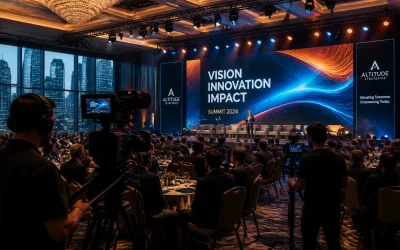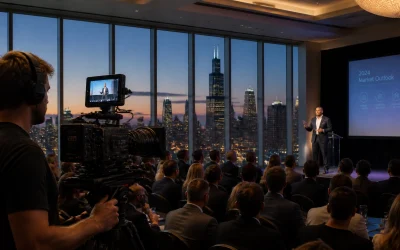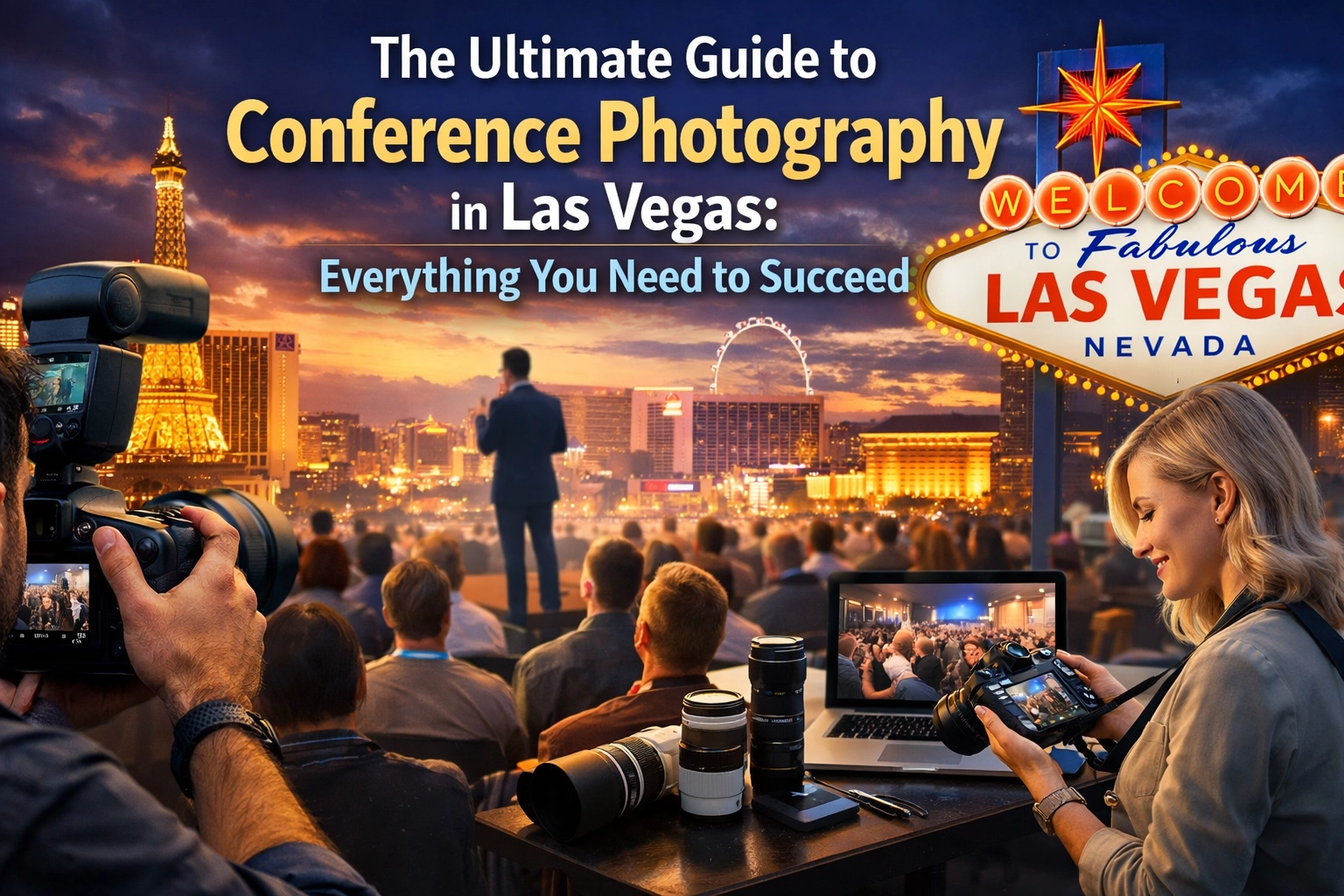
Las Vegas stands as the global epicentre for large-scale corporate gatherings, trade shows, and high-stakes networking events. For an event photographer, navigating the neon-lit corridors of the Las Vegas Convention Center or the expansive ballrooms of the Mandalay Bay requires more than just technical proficiency; it demands a strategic approach to visual storytelling. This guide outlines the essential protocols for capturing world-class imagery that serves the marketing needs of modern enterprises.
Successful corporate event photography hinges on the ability to anticipate moments before they happen. In a city where events often host thousands of attendees, the logistics of movement, lighting, and timing become the primary variables for success. Whether you are providing corporate photography services for a tech summit or a healthcare symposium, your goal is to translate the energy of the room into high-impact assets for the client’s brand.
The Strategic Importance of Venue Scouting in Las Vegas
The scale of Las Vegas venues is unparalleled. A conference photographer must treat venue scouting as a non-negotiable phase of the pre-production process. Unlike smaller markets, a Vegas hotel can take twenty minutes to traverse from the loading dock to the main stage.
- Map the Footprint: Identify the primary corridors where attendee traffic is highest. These "transition zones" are prime locations for capturing the networking energy that clients value.
- Assess the Lighting: Most Las Vegas ballrooms rely on heavy tungsten or LED rigging. Identifying the color temperature of the house lights early allows you to calibrate your white balance, ensuring skin tones remain natural during keynote sessions.
- Identify Power Zones: Locate press areas and media pits. Coordination with the house AV team is vital to ensure you aren't blocking sightlines for the event video production crew or the attendees.
By understanding the physical layout, you reduce the risk of missing key arrivals or spontaneous interactions. If you are looking for inspiration on how different layouts affect the visual flow, reviewing a gallery grid of previous large-scale activations can provide a blueprint for your own coverage.

Alt text: A professional event photographer scouting a massive, empty Las Vegas conference hall, planning angles for a keynote speech with high-end camera gear.
Mastering the Technical Requirements of Conference Photography
Capturing a keynote speaker in a dark room with a bright LED backdrop is one of the most challenging scenarios in business event photography. High-contrast environments require a mastery of manual camera settings and a deep understanding of dynamic range.
Gear Selection for Professional Results
A professional corporate event videographer or photographer cannot rely on consumer-grade equipment. The demands of a 12-hour day in a convention center require redundancy and reliability.
- Dual-Slot Cameras: Never shoot a professional event on a single memory card. Instant backup is a standard industry requirement.
- Fast Glass: Lenses with an aperture of f/2.8 or wider are essential. A 70-200mm f/2.8 is the workhorse of the industry, allowing you to capture tight shots of speakers from the back of the room without intruding on the stage.
- Silent Shutter Technology: In quiet environments, the click of a mechanical shutter can be distracting. Modern mirrorless systems allow for silent shooting, which is critical during intimate fireside chats or high-level executive panels.
Exposure and White Balance Management
Avoid the "Auto" trap. In Las Vegas, stage lighting changes rapidly. A speaker might move from a dark spot into a high-intensity follow-spot in seconds.
- Manual Mode: Set your shutter speed to at least 1/200th of a second to freeze motion during speeches.
- ISO Management: Modern full-frame sensors can handle ISO 3200 or 6400 with minimal noise. Prioritize a sharp image over a grain-free one.
- Kelvin Settings: Instead of Auto White Balance, set a custom Kelvin temperature to match the stage lights. This ensures consistency across your entire delivery, saving hours in post-production.
For those expanding their reach into other major hubs like New York or Chicago, these technical standards remain the benchmark for corporate photography services nationwide.
Capturing the Human Element: Candid vs. Posed
While the keynote is the "hero" moment, the true value of conference photography often lies in the candid interactions. Clients use these images to sell future tickets by proving the networking value of the event.
- The "Fly on the Wall" Approach: Use a longer focal length to capture attendees laughing, shaking hands, or exchanging business cards. When people don't notice the camera, their expressions are authentic.
- The Group Shot: Occasionally, you will be asked for "grip and grin" photos. When taking these, ensure the background is clean. A busy background with a trash can or a fire exit sign can ruin an otherwise professional shot.
- Reaction Shots: Turn the camera away from the stage. The audience's reaction: clapping, laughing, or taking notes: is just as important as the speaker themselves.
If your client requires high-end portraiture alongside event coverage, consider directing them to a specialized sesion para mac cosmetics style setup to see how professional lighting can elevate corporate headshots during a break.

Alt text: A candid shot of two business executives networking at a Las Vegas trade show, captured with a shallow depth of field to highlight their engaged expressions.
Integrating Event Videography Services for Maximum ROI
In 2026, photography alone is rarely enough. Most major brands now require event videography services to create "sizzle reels" and social media content. A conference videographer works in tandem with the photographer to ensure the event’s story is told through motion.
Coordination Between Photo and Video Teams
Conflict between the photo and video teams can lead to missed shots. To avoid this, establish clear "zones of operation."
- The Lead/Follow Dynamic: If the videographer is moving for a wide gimbal shot, the photographer should stay stationary with a telephoto lens.
- Audio Awareness: An event video production team's primary concern is clean audio. Photographers must be mindful of where they stand to avoid being picked up by room mics or appearing in the background of a sensitive interview.
- Shared Assets: Using platforms like proshoot.io can help teams sync their schedules and delivery expectations, ensuring the client receives a cohesive package.
For a look at how motion and stills complement each other, explore our video gallery to see high-production value examples from previous Las Vegas assignments.
Specialized Logistics for Las Vegas Convention Centers
Las Vegas is unique due to the sheer volume of concurrent events. Success here requires a level of professional etiquette and logistical planning that goes beyond the camera.
- Credentials and Access: Always wear your media pass. In venues like the Sands Expo or Wynn Encore, security is tight. Clear communication with the event organizer ensures you have access to "staff only" areas for elevated bird's-eye view shots.
- The "Vegas Walk": You will likely walk 10+ miles a day. Professional attire is required, but comfortable, dark-colored footwear is a must. A "ninja-like" presence: being everywhere but noticed by no one: is the hallmark of a great event photographer.
- On-Site Editing: Many clients now request "same-day selects" for social media. Bringing a laptop and a portable hotspot allows you to deliver a handful of edited highlights during the lunch break.

Alt text: A professional camera setup on a tripod at the back of a large Las Vegas ballroom, capturing a wide-angle view of a corporate awards ceremony.
Post-Production and Delivery Excellence
The job isn't finished when the lights go down. The delivery of the final assets is where a corporate event videographer or photographer proves their professional worth.
- Culling with Purpose: Don't dump 4,000 unedited photos on a client. Curate the best 300–500 images that tell a logical story: Arrival -> Keynote -> Breakouts -> Networking -> Gala.
- Consistent Grading: Ensure the color and exposure match across all images. This creates a "brand look" for the event.
- Digital Asset Management: Use professional galleries for delivery. Clients in major cities like Los Angeles, San Francisco, and Las Vegas expect sleek, easy-to-download interfaces.
To see how we present our final curated projects, you can view our full masonry gallery which showcases the level of polish expected by Fortune 500 clients.
Final Checklist for Your Next Las Vegas Event
To ensure success in the competitive landscape of conference photography, use this final checklist before heading to the Strip:
- Confirm the Shot List: Does the client need specific sponsors' logos captured? Are there VIPs who must be photographed?
- Sync Timecodes: If you are working with multiple photographers or an event video production team, ensure all camera clocks are synced to the second.
- Backup Plan: Have a secondary venue contact in case the primary organizer is unreachable during the chaos of the morning rush.
- Review Legalities: Ensure your privacy policy and image release forms are updated, especially for events involving sensitive data or high-profile speakers.
Las Vegas is a high-reward environment for the prepared professional. By combining technical mastery with an understanding of corporate objectives, you can provide corporate photography services that not only capture the event but actively contribute to the client’s long-term business growth. Whether you are operating in Las Vegas, Miami, or Seattle, the principles of excellence in business event photography remain the same: be prepared, be professional, and be invisible.
For more insights into the world of professional event coverage, visit our blog for regular updates on industry trends and technical guides.