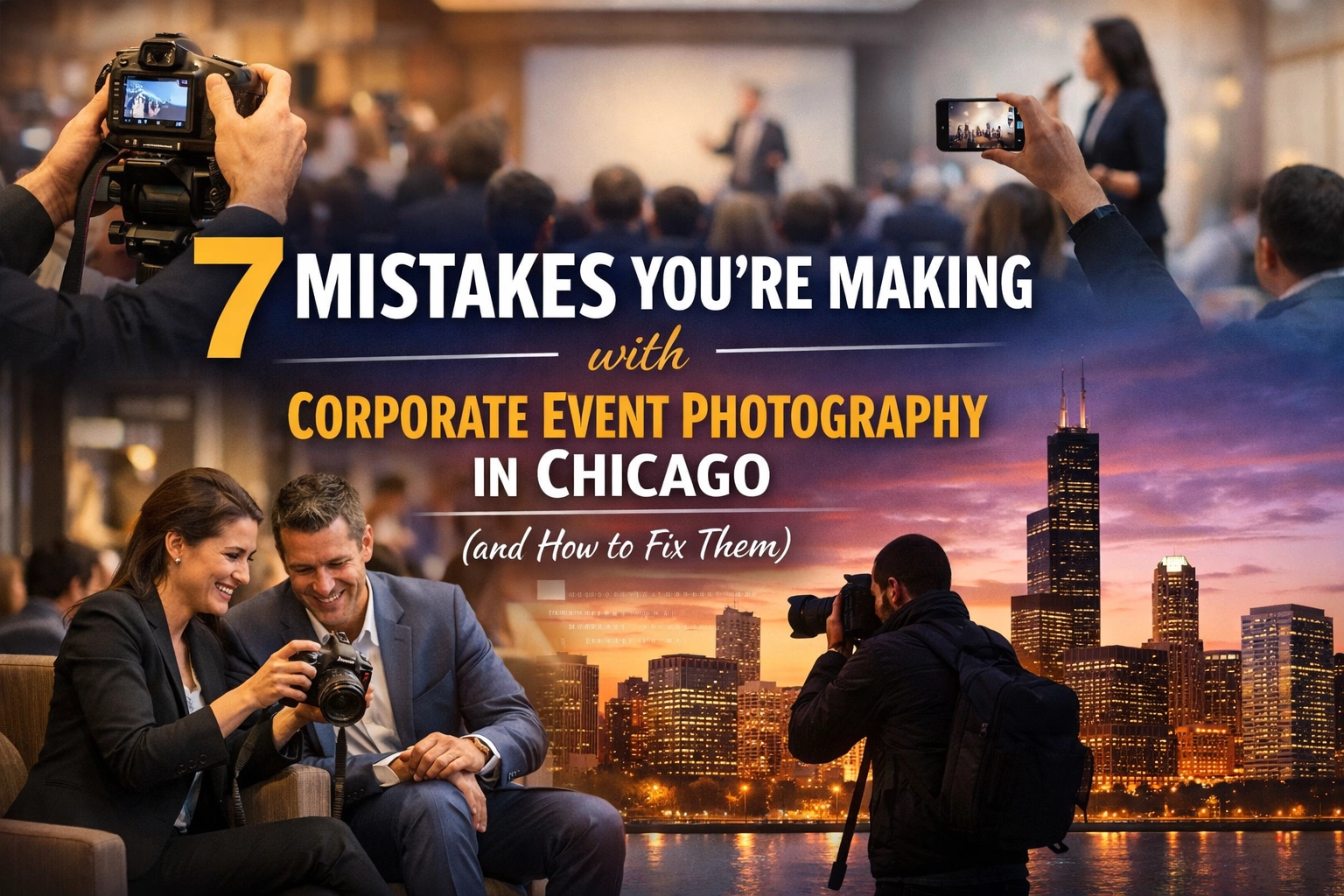
Chicago is a beast of a city for corporate events. Whether you’re hosting a massive summit at McCormick Place, an intimate executive roundtable in a West Loop loft, or a gala at the Chicago Cultural Center, the stakes are sky-high. You’ve spent months: maybe a year: obsessing over the catering, the keynote speakers, and the attendee list. But if your corporate event photography is an afterthought, you’re essentially throwing away your marketing budget.
I’ve seen it happen dozens of times. A company spends six figures on an event, only to receive a folder of blurry, uninspired photos three weeks later when the "buzz" has already died. Those photos are your social media fuel, your future recruitment tools, and your proof of ROI to stakeholders. If they fail, the event’s legacy fails.
Let’s talk about the seven most common mistakes businesses make when hiring a conference photographer or managing corporate photography services in the Windy City, and more importantly, how you can avoid them.
1. The Communication Void: Assuming Your Photographer Is a Mind Reader
This is the number one killer of great event imagery. Most planners send a calendar invite and a basic "shot list" (e.g., "Take photos of people talking"). That is not a brief. A professional event photographer needs to understand the vibe and the value of the event.
In a city like Chicago, where venues range from the ultra-modern vibes of the Fulton Market to the classic, dark-wood aesthetics of the University Club, the "how" of the shoot changes based on your goals. Are you trying to show how packed the room was? Or are you trying to highlight the high-level networking between specific VIPs?
The Fix: Schedule a 15-minute briefing call three days before the event. Don't just send a list; explain the narrative. Who are the "must-have" people? Which sponsors need their logos featured in the background? If you're also hiring for event video production, ensure the photographer and videographer are on the same page so they don't trip over each other during the keynote.

Alt text: A professional corporate event photographer in Chicago discussing the shot list with an event coordinator in a high-tech conference room.
2. The Cost Conundrum: Why "Cheap" is Actually Expensive
I get it. Budgets are tight. But hiring a "guy with a camera" because he’s half the price of a dedicated corporate event videographer or photographer is a gamble you usually lose.
Corporate photography isn't just about owning a fancy DSLR. It’s about knowing how to navigate a room of executives without being intrusive. It’s about having the gear to handle the nightmare lighting of a Navy Pier ballroom. When you hire based on price alone, you often get someone who lacks "corporate polish." They might show up in jeans to a black-tie gala, or worse, miss the handshake that seals a multi-million dollar deal because they were checking their settings.
The Fix: Look for specialized corporate photography services that understand the business environment. Check their portfolio specifically for events in major hubs like New York, Los Angeles, or Chicago. You want to see consistent quality across different lighting scenarios. If you need a comprehensive package, check out ProShoot to see how high-end production scales for enterprise needs.
3. Brand Inconsistency: When Your Photos Look Like Stock Images
Your brand has a voice. It has a color palette. It has a "feeling." Yet, so many companies let their business event photography look like generic stock photos. If your brand is "cutting-edge tech," but your photos are warm, grainy, and traditional, there’s a massive disconnect.
This is especially true for mastering trade show photography where the lighting is notoriously harsh and yellow. If your photographer doesn't know how to color-correct to match your brand’s aesthetic, your booth will look dated and unappealing in your post-event report.
The Fix: Share your brand guidelines with your photographer. Tell them if you prefer "bright and airy" or "moody and cinematic." If you’re documenting a company anniversary photography session, the tone should be celebratory and legacy-focused, not just clinical.
4. Missing the "Power Play" Moments
In the corporate world, not all moments are created equal. A photo of a buffet line is worthless. A photo of your CEO in deep conversation with a top-tier client during a business luncheon is gold.
Too many photographers focus on the stage and forget the networking. In Chicago, the real business happens in the hallways and the cocktail hours. If your conference videography team only records the slides, you’re missing the human element that proves your event was a success.
The Fix: Identify your "Power Players." Provide the photographer with a "Who’s Who" sheet, literally photos of the people they need to track. This is vital for executive portrait photography and candid shots during high-stakes sessions.
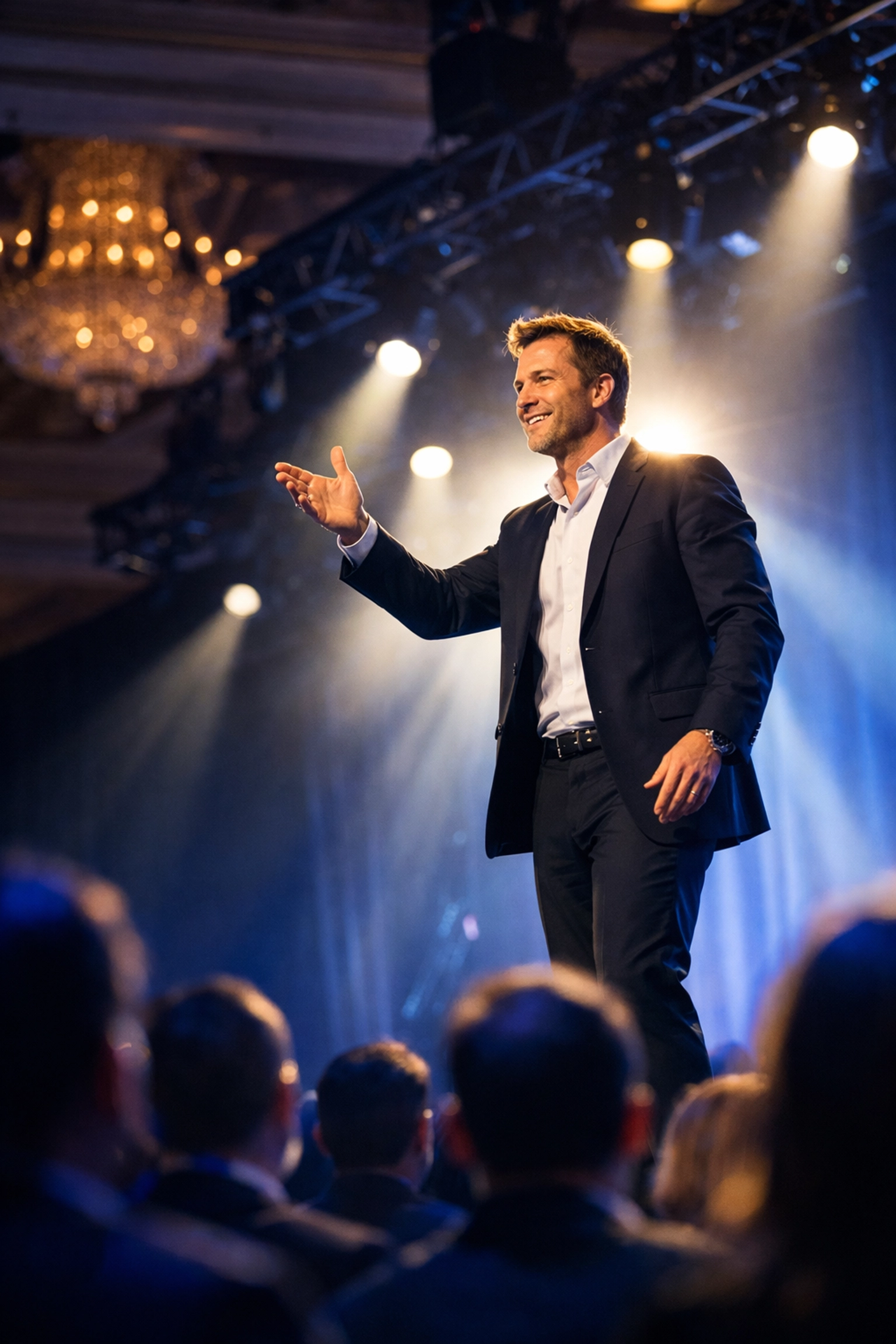
Alt text: A candid, high-quality shot of a keynote speaker engaging an audience at a tech conference in Chicago, captured by a professional event photographer.
5. The Lighting Nightmare: Fighting Chicago’s Urban Shadows
Chicago architecture is beautiful, but it’s a lighting challenge. You might have floor-to-ceiling windows at a venue overlooking the river, creating massive silhouettes, or a basement-level seminar room with flickering fluorescent lights.
Amateur photographers often rely on their camera’s "Auto" mode, which results in flat, lifeless images or, even worse, the dreaded "paparazzi flash" that distracts everyone in the room. Professional corporate event photography requires an understanding of off-camera flash and high-speed lenses to capture the energy without ruining the atmosphere.
The Fix: Ask your photographer how they handle low-light environments. Do they bring their own lighting? For something like mastering corporate panel discussion photography, they need to be able to light multiple people on a stage without creating harsh shadows behind them.
6. The Angle Trap: Why Your Event Looks Empty (Even When It's Not)
There is a specific art to making a room of 50 people look like a room of 500. Conversely, an inexperienced conference photographer can make a sold-out room look sparse by shooting from the back or using the wrong focal length.
Perspective matters. If you’re hosting a team building event, you want close-up, high-energy shots that show interaction. If you’re doing mastering business conference photography, you need wide "hero" shots that show the scale of the production.
The Fix: Demand a variety of perspectives. You need the "Bird's Eye" view to show the crowd, the "Over the Shoulder" shot to show the speaker’s perspective, and the "Detail" shots of your branding and decor. This variety is what makes for a compelling mastering corporate event photography gallery.
7. The "Fine Print" Fail: Rights, Timelines, and Post-Production
Nothing kills the excitement of a successful event like waiting three weeks for your photos. In today’s world, if you don’t post on LinkedIn within 24–48 hours, the event is "old news."
Furthermore, many companies don't realize they don't actually own their photos. Some photographers include clauses that limit where you can use the images (e.g., social media is fine, but print ads cost extra). This can lead to legal headaches and unexpected invoices down the road.
The Fix: Ensure your contract includes "Full Usage Rights" for all commercial and marketing purposes. More importantly, negotiate a "Next-Day Teaser" gallery. You should get 10–20 high-quality, edited shots within 24 hours to fuel your social media machine while the full gallery is being processed. This is a standard part of professional event videography services and photography packages.
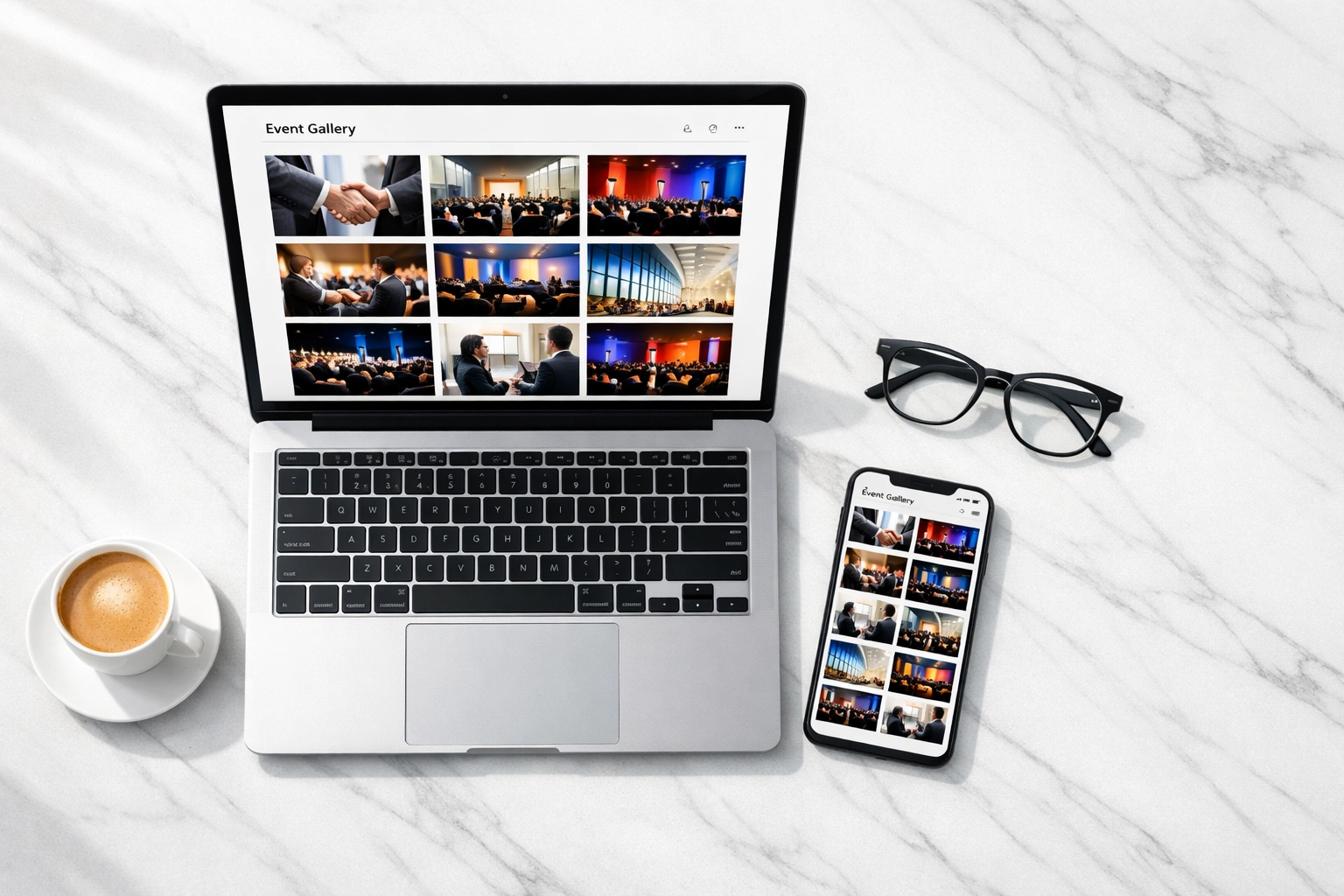
Alt text: A sleek digital interface showing a gallery of professionally edited corporate event photos ready for social media distribution.
Putting it All Together for Your Next Chicago Event
Whether you are planning a product launch in the Loop or a corporate retreat in the suburbs, the quality of your visual content is your most lasting asset.
Don't let these mistakes undermine your hard work. By choosing a photographer who understands the Chicago landscape, literally and figuratively: you ensure that your event lives on long after the last chair is folded. Professional corporate photography services are an investment in your brand’s future, providing you with the collateral needed for annual reports, recruitment, and next year’s ticket sales.
If you’re looking to elevate your next event, whether it’s a corporate awards ceremony or a complex company gala, focus on the strategy behind the lens. And for those times when you need a global reach with local expertise, Corporate Pixels and our partners at ProShoot are here to ensure every "Power Play" is captured with precision.
Quick Checklist for Your Chicago Event Photographer:
- Venue Experience: Have they shot at your specific Chicago venue before?
- Turnaround Time: Can they provide a 24-hour teaser gallery?
- Gear Check: Do they have backup cameras and professional lighting for dark ballrooms?
- Portfolio Match: Does their style align with your brand’s visual identity?
- Video Integration: Can they coordinate with your event videographer to ensure a cohesive look?
Chicago is a city of broad shoulders and big ideas. Make sure your photography is big enough to match. Avoid these seven pitfalls, and you'll transform your event from a one-day occurrence into a year-long marketing engine. For more tips on getting the most out of your sessions, check out our guide on mastering corporate event photography.