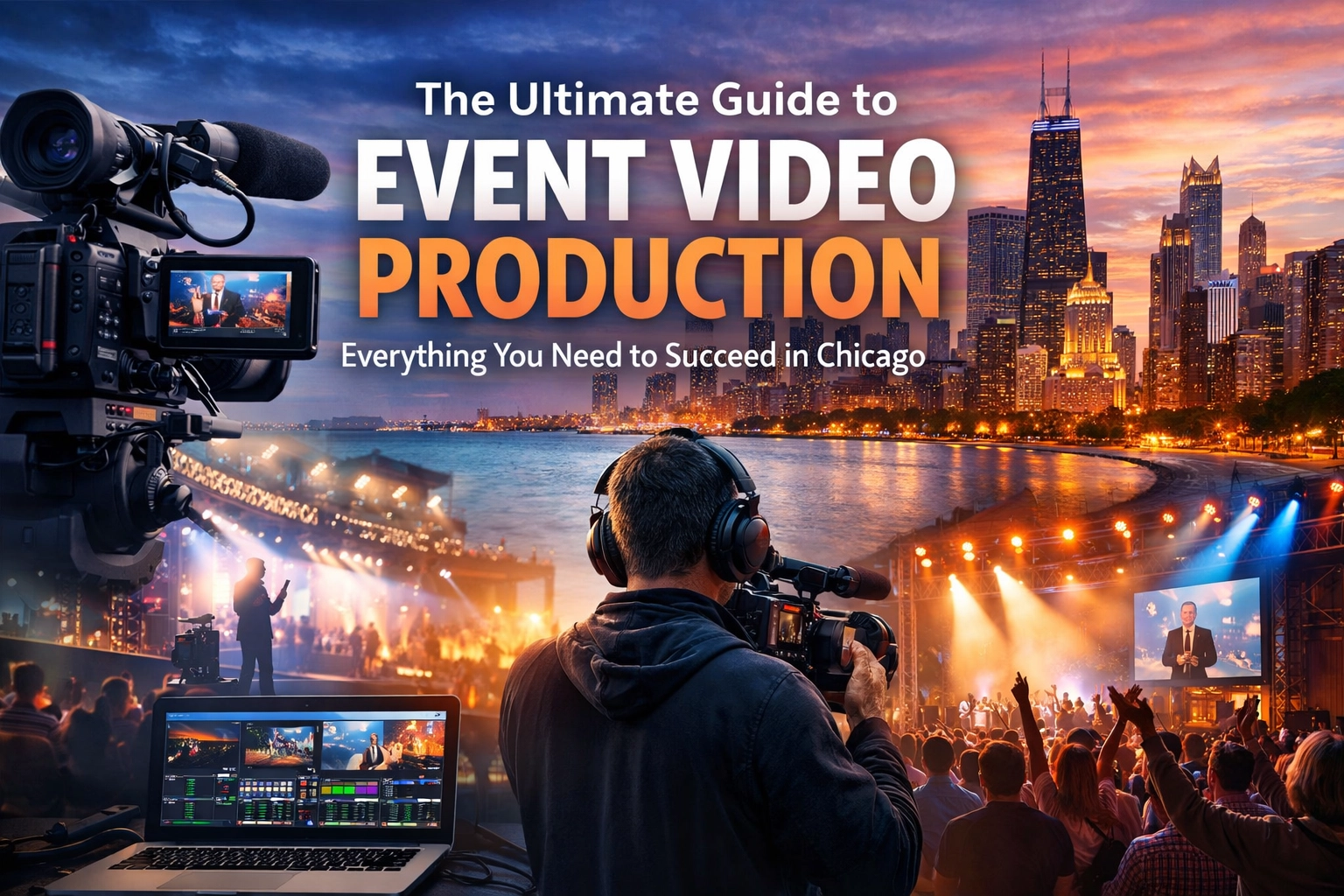
Chicago stands as a global hub for commerce, innovation, and large-scale gatherings. From the massive halls of McCormick Place to the historic ballrooms of the Gold Coast, high-stakes corporate events demand high-caliber visual documentation. Event video production is no longer an optional add-on; it is a critical strategic asset that extends the life of your conference and amplifies your brand’s reach. To succeed in the competitive Chicago market: and across major hubs like Las Vegas, Orlando, and New York: you must approach video production with technical precision and marketing foresight.
Architecting the Visual Narrative: Strategic Pre-Production
Success in event videography services begins months before the first camera arrives on-site. Treat your video production as a standalone project with its own set of deliverables and Key Performance Indicators (KPIs).
Define the Scope and Objectives
Identify the primary goal of your video content: Is it to drive registrations for next year? Is it to provide educational content for a remote audience? Or is it to capture high-value customer testimonials?
- Audit your requirements: Determine if you need a single-camera highlight reel or a multi-camera live stream for a hybrid audience.
- Coordinate with stakeholders: Ensure the marketing team, event planners, and the corporate event videographer are aligned on the "hero moments" that must be captured.
Developing the Production Timeline
Chicago events move fast. A detailed schedule is the only way to ensure your team doesn't miss key opportunities.
- Pinpoint key sessions: Identify high-profile keynote speakers and panel discussions.
- Schedule "Man-on-the-street" interviews: Allocate specific blocks for capturing attendee feedback when energy is highest, typically during mid-morning coffee breaks.
- Factor in transit time: Chicago venues are sprawling. Account for the time it takes to move equipment from a breakout room at the North Building of McCormick Place to a reception at a nearby hotel.

Alt text: A professional production team reviewing a detailed storyboard and schedule for a corporate conference in a modern Chicago office setting.
Navigating Chicago’s Venue Landscape
Chicago offers a diverse array of venues, each with its own logistical challenges and lighting profiles. Understanding these environments is crucial for any conference photographer or videographer.
Large-Scale Convention Centers
McCormick Place is the largest convention center in North America. For conference videography, this means dealing with massive distances and varying light temperatures.
- Manage Audio Interference: Large halls often have significant echo and ambient noise. Use localized wireless lapel mics and backup digital recorders to ensure clean audio.
- Coordinate Power and Connectivity: Always verify the availability of dedicated circuits for your production desk to avoid tripped breakers during a live keynote.
Boutique and Historic Spaces
Venues like the Chicago Cultural Center or The Drake Hotel offer stunning visuals but present challenges like limited elevator access and strict load-in windows.
- Scout the Venue: Conduct a site visit to identify the best angles for business event photography and video.
- Optimize Lighting: Historic venues often have dim, "warm" lighting that can look orange on camera. Deploy professional LED panels to balance skin tones without washing out the room’s ambiance.
Technical Standards for High-Impact Event Media
To produce content that competes on a national stage, your technical standards must be uncompromising. Whether you are operating in Chicago, Los Angeles, or Miami, the expectations for corporate event photography and video remain the same.
Camera Systems and Resolution
Standardize your production on 4K or 8K resolution. This provides the flexibility to crop and reframe shots in post-production without losing detail.
- Deploy Multi-Camera Setups: For keynotes, use a minimum of three cameras: one wide shot of the stage, one medium shot of the speaker, and one "roaming" camera for audience reactions.
- Utilize Gimbals and Sliders: Ensure smooth, cinematic movement for B-roll footage to give your final edit a high-end, polished feel.
Audio: The Foundation of Video
Professional video is unwatchable without professional audio.
- Isolate Sound Sources: Always take a direct feed from the venue’s sound board while simultaneously running redundant "on-camera" microphones.
- Monitor Levels Constantly: Assign a dedicated team member to monitor audio levels to prevent clipping or dropouts during critical presentations.

Alt text: High-end cinema cameras and audio recording equipment set up at the back of a large auditorium, ready to capture a professional business presentation.
Content Streams: Maximizing Your On-Site Presence
A single event can yield a year's worth of marketing content if you know what to look for. When hiring a corporate event videographer, ensure they are briefed on capturing these specific content streams.
Keynote and Panel Highlights
Don't just record the whole hour; look for "snackable" segments.
- Identify Soundbites: Listen for 30-60 second clips that address industry pain points or offer unique insights. These are perfect for LinkedIn and other social platforms.
- Capture the Energy: Ensure the event photographer and videographer capture the audience's reaction: clapping, laughing, or taking notes: to demonstrate the event's impact.
Customer Testimonials and Executive Interviews
Events bring your most important clients and executives into one room. Capitalize on this by setting up a dedicated "video booth" or a quiet corner for interviews.
- Prepare Questions in Advance: Keep questions open-ended to encourage natural, narrative responses.
- Maintain Brand Consistency: Use a consistent backdrop or a shallow depth-of-field to keep the focus on the subject while subtly showcasing the event atmosphere in the background.
Explore our video gallery to see how we’ve successfully captured these moments for brands across the country.
The Role of Professional Photography in Integrated Media
While video is dynamic, corporate photography services remain the backbone of event documentation. A skilled event photographer works in tandem with the video team to provide a comprehensive visual record.
Enhancing Corporate Identity
High-quality business event photography is essential for press releases, annual reports, and website updates.
- Prioritize Candid Moments: While posed shots are necessary, candid photos of networking and collaboration often better reflect the "vibe" of a successful event.
- Focus on Branding: Ensure your company’s logo, signage, and branding are featured prominently but naturally within the shots.
For specialized needs in different regions, consider using services like Proshoot.io to find vetted professionals who understand these high standards.

Alt text: A corporate event photographer capturing a group of professionals networking and laughing during a high-profile business conference.
Post-Production: Turning Raw Footage into ROI
The work doesn't end when the cameras stop rolling. The editing process is where your story is truly told.
Efficient File Management
- Label and Organize: Use a standardized naming convention for all files (e.g., DATE_VENUE_SESSION_CAM). This is vital for quick turnaround times.
- Backup Immediately: Never leave the venue without at least two copies of all footage on separate physical drives.
Crafting the Final Deliverables
- The Highlight Reel: A 2-3 minute fast-paced video that summarizes the energy and key takeaways of the event. Use this for high-level marketing.
- Educational Deep Dives: Full-length recordings of sessions for internal training or "on-demand" content for attendees.
- Social Media Teasers: 15-30 second clips optimized for vertical viewing on mobile devices.
Why Local Expertise Matters in Chicago
Choosing a local partner for event video production in Chicago provides more than just convenience; it provides a logistical advantage. A local conference videographer knows the shortcuts through McCormick Place, understands the permit requirements for drone flights over the Chicago River, and has established relationships with local AV providers.
- Knowledge of Lighting Conditions: Chicago’s weather can change the natural lighting of a venue in minutes. Local pros know how to adapt.
- Fast Turnaround: Local teams can often begin the editing process immediately, delivering "same-day" or "next-day" highlight clips to keep the social media buzz alive during the event.
To ensure your next Chicago event is captured with professional precision, contact our team to discuss your specific production needs.
Summary of Best Practices for Chicago Event Success
- Start with Strategy: Define your goals and your audience before picking up a camera.
- Invest in Audio: Clear sound is the difference between a professional production and an amateur recording.
- Think Multi-Platform: Capture content for YouTube, LinkedIn, and your corporate archives simultaneously.
- Hire for Experience: A seasoned conference photographer and videographer will anticipate problems before they occur.
- Maximize the Venue: Use the unique architecture of Chicago to elevate your brand’s visual story.
By following this guide, you ensure that your event's impact lasts far beyond the closing remarks. Whether you are hosting a tech summit in a Fulton Market loft or a massive trade show at the convention center, the right approach to event video production is your most powerful tool for long-term success. For more insights on professional corporate media, visit our blog.