Iconic Miami Nightlife Locations
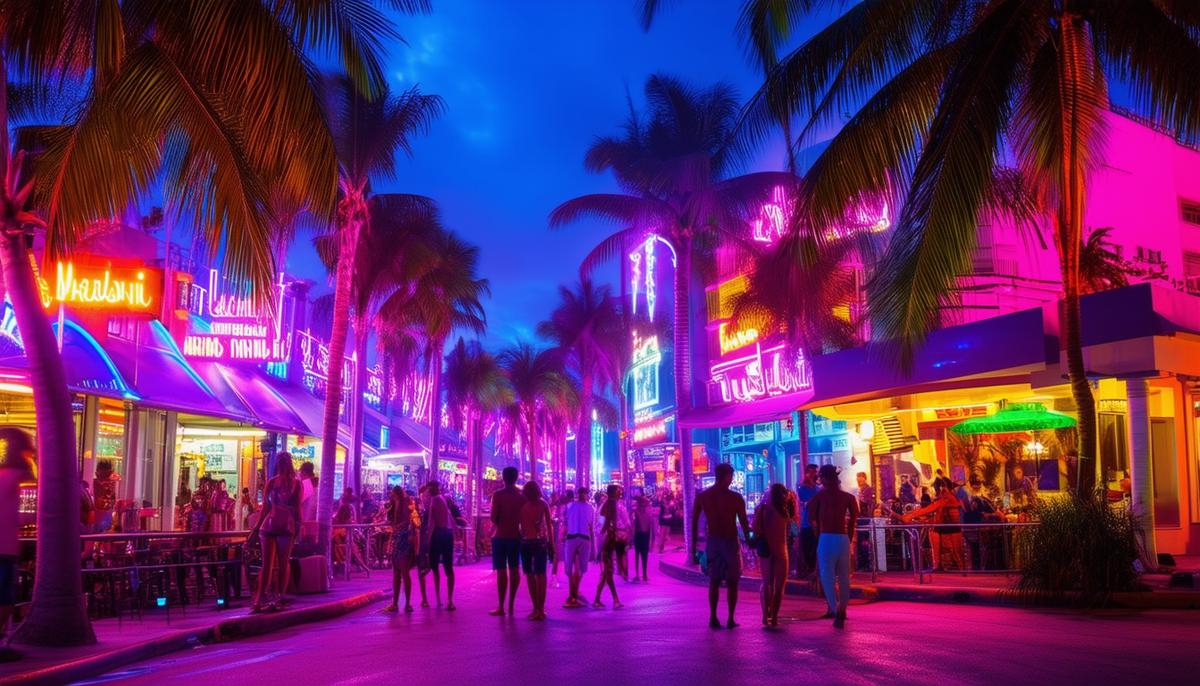
Miami pulses with a vibe that's both electric and glamorous, especially once the sun goes down. Among the must-capture locales is Ocean Drive, a prime spot that epitomizes the city's lively nightlife. Here, pastel-colored Art Deco buildings line the streets, illuminated by neon signs, fostering a retro yet sophisticated backdrop perfect for night photography.
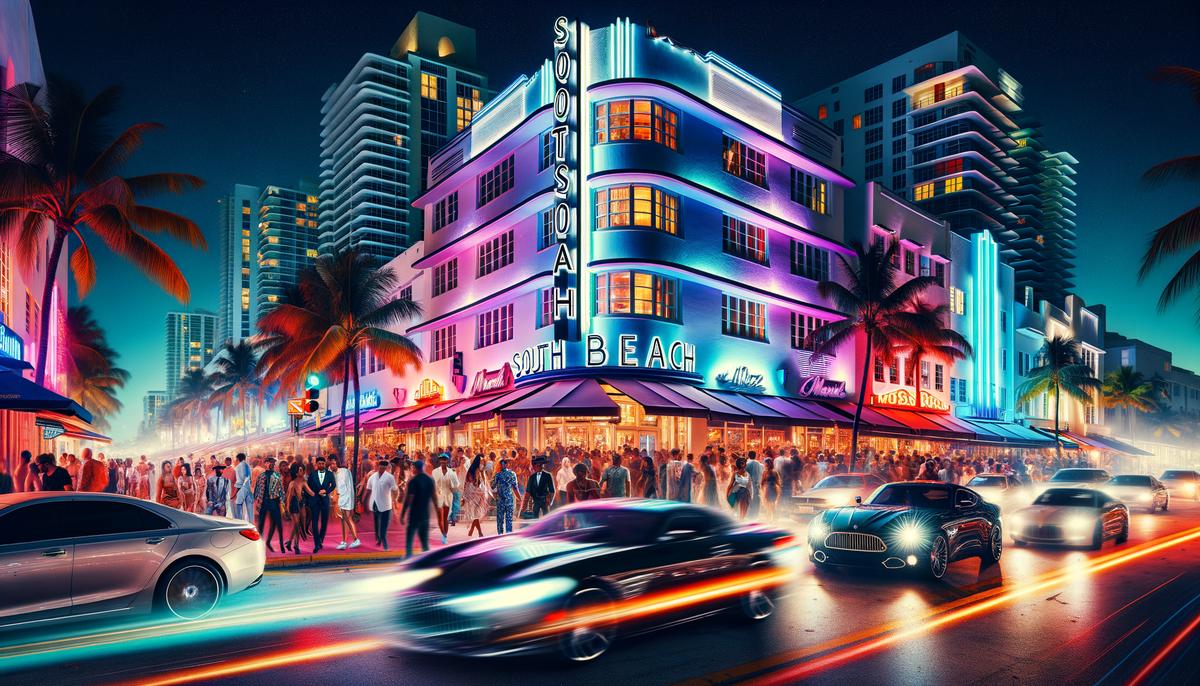
South Beach steps up as another quintessential landmark offering a feast of visuals. As the hub of energy and style, it's not unusual to witness a parade of luxury cars cruising by or an eclectic mix of street acts and flamboyant characters that practically beg to be photographed. Combining the bustle of people with the sophistication of oceanside dining spots and trendy clubs, the area offers endless angles, from high-energy street candid shots to serene beach vistas at night.
The Art Deco District adds another layer of allure, chanting the old-time charm of the 1930s through early 1950s architecture. This neighborhood comes alive at night when cuisine aficionados and party-goers converge. Notching up the scene are restored hotels and bars under neon lights, prompting an atmospheric shot that carries whispers from another era, harmonized with today's dynamic escapades.
Wynwood Walls turns on the funk and color, centering around pioneering street art. To shoot under twilight adds a mesmerizing gradient to murals that tell tales through spray paint and cutting captions—a sharp contrast against Miami's usual tropical gloss.
Brickell's towering skyscrapers over Biscayne Bay offer a modern terrain that's specular with reflections and ambient city lights drawing the vibrant business heart of Miami during nocturnal hours.
Each spot echoes its own story and prolongs a visual symphony making Miami's nightlife an embracing topic for professionals and photography enthusiasts aiming to transmit the exuberance of city life.
Photography Techniques for Nightlife
To capture Miami's nocturnal enchantment, photographers must harness specific techniques suitable for low-light conditions. Nightlife photography, characterized by pulsating movement and diverse lighting, demands agility and precision in technique and equipment choice.
A foundational step is to manipulate camera settings adeptly. Opt for a wide aperture, with f-stops around f/1.4 to f/2.8, which allows more light to hit the sensor, crucial for those dark scenes. A higher ISO setting can also be helpful; most modern cameras handle an ISO up to 3200 or even 6400 quite well before noise becomes disruptive. Balance this with a slower shutter speed to capture ambient light and vibrant scenes vividly. However, beware of the blur from handheld shots at slower speeds—employing a tripod, or stabilizing your camera against a solid structure can secure the clarity of your snapshots.
For movement and energy, opting for a shutter speed that isn't too fast is paramount as it captures the motion in a silky stream instead of a rigid still, producing a dynamic portrayal of Miami's bustling nightlife. Practices like panning can be particularly effective here: set your camera to track parallel with the moving subject at a measured speed to accomplish a sharp focus on the subject against a blurred background.
Using external lighting such as flash can certainly add dimension to your nighttime photos, yet it should be judiciously utilized to maintain the natural ambiance of the scene. A diffuser or bouncing the flash off ceilings and walls can soften harsh artificial light, harmonizing it with the existing neons and streetlamps omnipresent in Miami's nightlife. Alternatively, a small, handheld LED light can offer directional lighting when you seek to emphasize details without disrupting the overall light balance.
Colors play a pivotal role in shaping nighttime visuals. To authentically reflect the atmosphere's vibrancy, you might want to switch your white balance settings manually instead of relying on auto settings, which often misinterpret the hues in low light. Experiment with different white balance presets or customize the settings until the colors align with what you observe.
In combination with accurate timing and a keen sense of arrangement which requires observational skills – reading the scene before executing each shot – you may find that each capture beautifully tells its part of Miami's nightlife story.
Cultural Impact of Miami's Nightlife
Miami's nightlife doesn't just dazzle; it tells a story of vibrant cultural fusion. It's a playground where diverse music scenes, cutting-edge fashion, and iconic events intersect, offering photographers a canvas alive with dynamic narratives. As the sun sets over the Magic City, its true colors emerge in the night—the rhythmic beats of salsa, the thumping bass of EDM, or the smooth grooves of jazz spill out from cozy lounges and mega clubs alike. These sounds draw a multicultural crowd, each person contributing their own verse to the song of the city.
The eclectic fashion seen in Miami's nightlife is more than just attire; it's an embodiment of individual expression and cultural heritage. Photographers find themselves amidst a sea of stories, where the sequins or the silk, the suit or the bold streetwear, each add layers to the visual landscape of the night.
Miami's iconic events under the vibrant night sky also present singular moments ripe for photographic exploration. From star-studded Art Basel parties to the pulsating energy of Ultra Music Festival or exuberant celebrations like Calle Ocho, these events are where influences from around the world comingle in a jubilant display of humanity. Each brings forth unique elements that contribute to Miami's reputation as a cultural hub:
- Art shifts from galleries to the streets
- Global music icons and DJs curate soundscapes that defy genres
- Fashion is informed by global trends while remaining intertwined with local flair
Documenting these elements through photography demands technical skill and a nuanced understanding of cultural narratives. Capturing the right moment at a concert can manifest the exhilarating connection between artist and audience, whereas a candid shot at a beach party might unveil relaxed interpersonal interactions colored by the urban and seaside vibe of Miami.
Ultimately, Miami's nightlife offers more than sensory stimulation; it provides a symbiotic environment where various cultural elements flourish and interplay. For photographers, this setting is a challenge to test their skills; it is an opportunity to narrate Miami's cultural storyline through compelling visual stories.
Ethical Considerations in Nightlife Photography
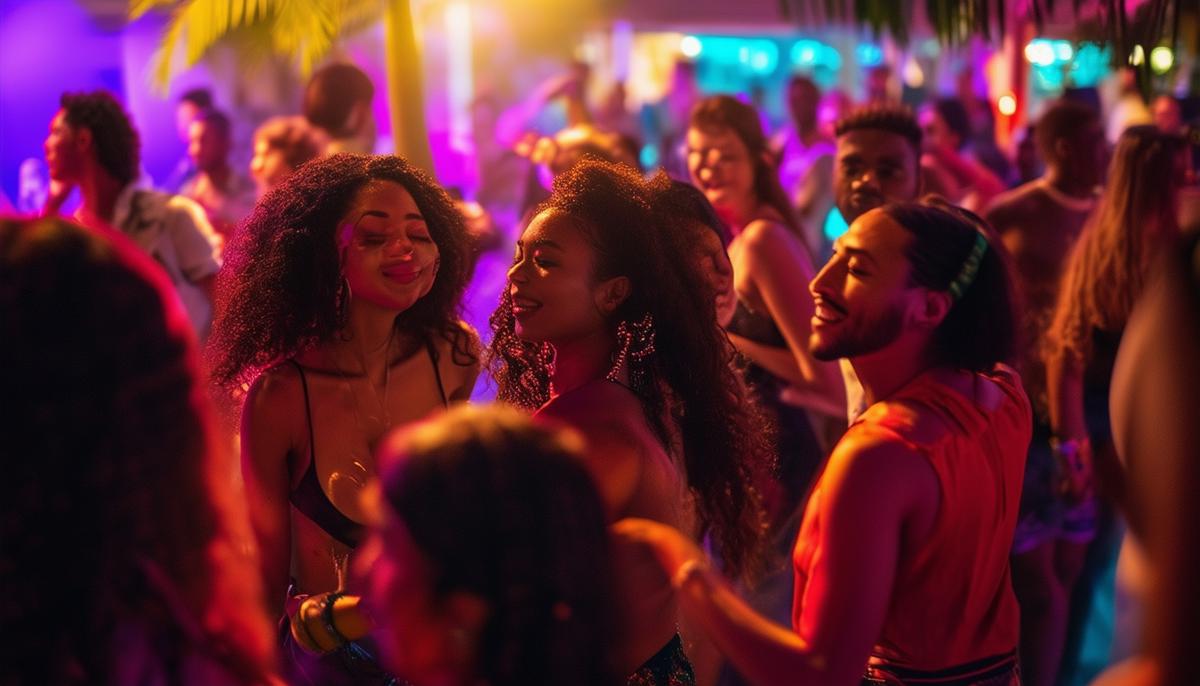
In the realm of photography ethics, respecting the privacy and dignity of subjects remains critical, especially in the spontaneous and unfurling narratives of Miami's nightlife. The importance of obtaining consent cannot be overstated, as it forms the bedrock of trust and respect between the photographer and the subject. In the pulsating scenes of nightclubs and neon-lit streets, where people share moments of joy, vulnerability, and celebration, capturing candid moments requires a nuanced balance between artistic impulse and ethical responsibility.
To traverse these fluorescent seas without overstepping, photographers must remain acutely aware of their approach and presence. When aiming to capture the essence of the dynamism and impulsivity inherent in Miami's nightlife, it's crucial to gauge the comfort level of individuals being photographed. Taking a moment to engage with subjects, explaining the intent behind the lens, can often alleviate concerns and foster a more collaborative atmosphere. This proactive communication paves the way for authentic captures and adheres to a moral blueprint ensuring respect and privacy are not compromised.
Even in massively public spaces plastered with velvet ropes and scattered disco lights, there remains an implicit ethical line that distinguishes candid photography from intrusive voyeurism. The autonomy of party-goers should not be discounted as shutters click and flash. There lies a clear distinction between capturing a public moment and infringing on private ones—a distinction that must be handled through informed, continuous consent whenever possible.
Handling this balance delicately enriches the narrative being woven—a story bathed in ultraviolet, narrated through pauses in beats and laughter ringing over basslines. Moments chosen for immortalization in photography should not strip individuals of their story's autonomy but should offer an echo of their experience, parceled through a lens that respects their space and presence.
In instances where boundaries may blur—where beats sync with heartbeats and nightlife adventurers lose themselves in the rhythm—photographers carry the responsibility of distinguishing between public interaction and private moments. Ethical considerations extend into post-production as well; reassessing images for potentially compromising situations reflects a commitment to dignity that should never pale, even under the harshest club lights.
Miami's vibrant nightlife network thrives on anonymity and abandon, on the unspoken promise that while its stories might be visually captured, they are never personally captured. This delicate dance of light, persona, and photographer requires a sensitive finger on the shutter and a keen ethical compass directing each shot taken, ensuring that the photos echo the respect and revelry that Miami embodies after dark.
- Olczak N. Ethics in Nightlife Photography: Balancing Art and Respect. PhotographyTalk. 2021.
- Morales L. Miami After Dark: A Guide to Capturing the City's Vibrant Nightlife. DigitalCameraWorld. 2022.
- Sanchez R. Exploring the Cultural Fusion of Miami's Nightlife Through the Lens. The Art of Photography. 2020.