Preparation and Planning
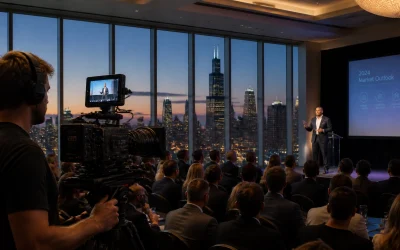
Understanding the objectives of the training session is a crucial first step in capturing its essence through photography. These objectives guide the focus of the camera lens, highlighting the interactions, learning moments, and overall atmosphere of the event. Familiarizing oneself with the venue layout is equally important. A preliminary visit, if feasible, allows for strategic planning on how to best use the available space and lighting to enhance the visual narrative of the training session.
Anticipating the lighting conditions is vital for ensuring high-quality images. Whether it's the bright glare of overhead lights in a conference room or the natural light streaming through windows, each scenario requires specific camera settings to capture clear, vibrant images that require minimal post-processing. Preparation includes having a well-thought-out shot list. This list acts as a roadmap, ensuring that both key moments and the subtler, candid interactions are captured.
Shots to consider include:
- Ice-breaking introduction sessions
- Participants deeply focused on engaging with materials
- Informal chatter during breaks
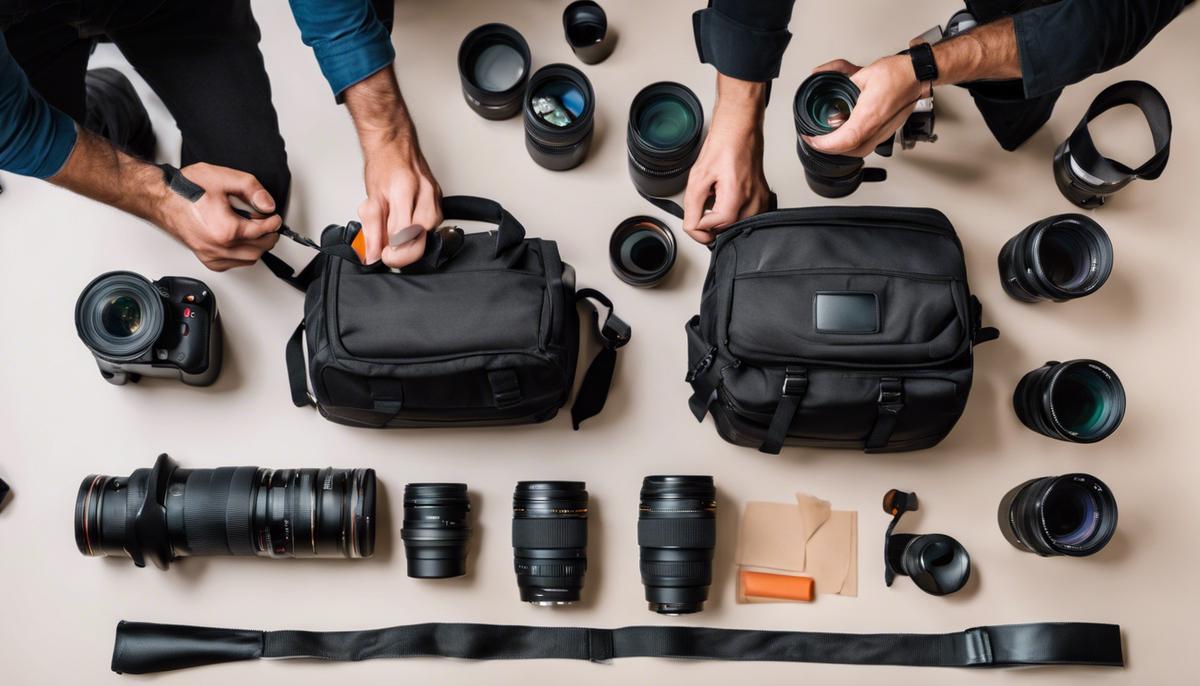
Equipping oneself adequately for varying types of shots is part of the planning process. This means packing the right lenses, cameras, extra batteries, memory cards, and even portable lights to mitigate unforeseen challenges. Moreover, coordinating with the event organizers can reveal opportunities for specific shots that align with the session's goals or highlight unique moments that would otherwise be overlooked.
In capturing both the formal presentations and the more relaxed, behind-the-scenes moments, photographers bring the training session to life for those who weren't there and provide a multifaceted perspective for participants to reflect upon afterwards. Thus, preparation and planning are about technical readiness and embedding oneself into the fabric of the event to capture its essence authentically and comprehensively.
Capturing Candid and Staged Moments
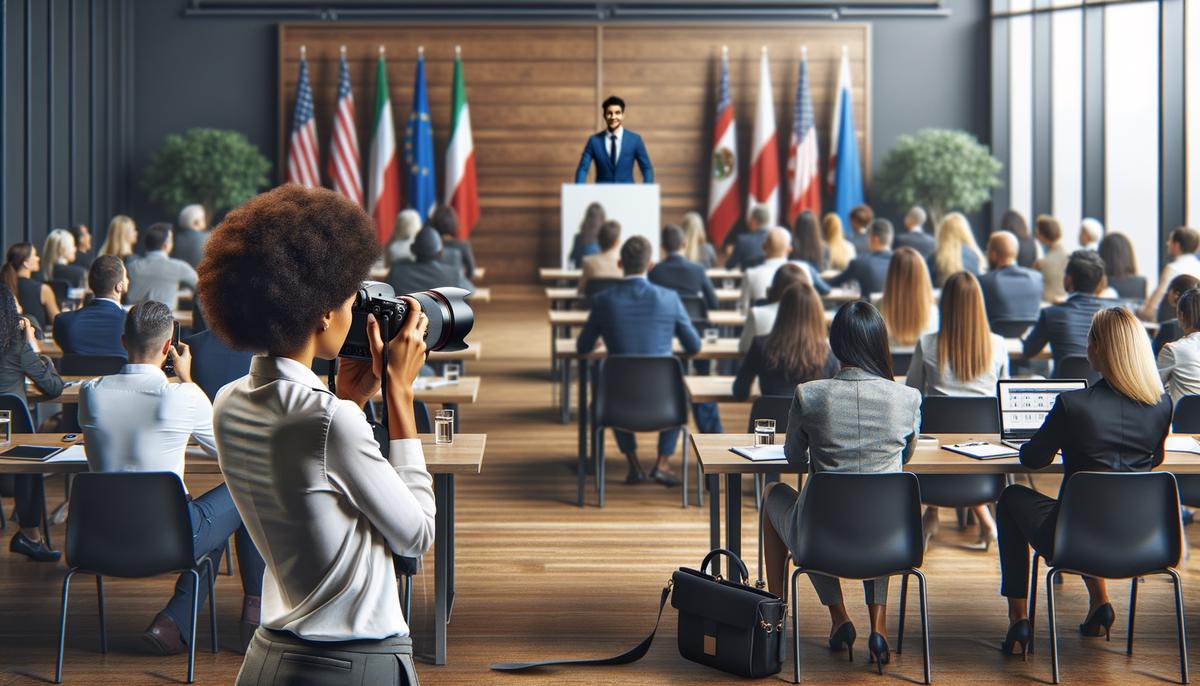
When documenting a corporate training session, the balance between snapping candid photos and setting up key staged shots contributes to the overall narrative of the day. With a keen eye for engagement and knowing when to step in to curate a moment, you can vividly encapsulate both the atmosphere and vital takeaways of the session through your lens.
Candid shots are the unplanned, genuine moments that occur naturally. These instances often convey the most authentic emotions and interactions among participants. Watch for:
- Attendees lost in thought
- Animated group discussions
- The lightbulb moments when a concept clicks
The key is anticipation and readiness. Keep your camera poised and your senses tuned to the room's dynamics. It's about being at the right place, at the right moment, without intruding on the participants' space.
On the other hand, staged shots highlight the training's pivotal moments and key players. This doesn't necessarily mean stiff, posed photographs. It can also mean:
- Guiding the subject to a spot with better lighting
- Asking a group to momentarily 're-enact' their discussion for a clearer shot
Staging can help accentuate details that candid shots might miss, such as a speaker's passionate expression while delivering a keynote or a group's collective focus on a specific task. The goal of staging is not to manufacture moments but to artistically highlight the session's essence in its best light.
Weaving between candid and staged approaches requires intuition and finesse. Build rapport with participants early on. A nod, a smile, or a brief introduction can make people feel more comfortable in front of your camera. When participants feel at ease, it becomes simpler to enter their circle to capture those intimate candid moments or to suggest a quick pose without seeming intrusive.
Balancing these two facets of photography involves continuous movement and observation. Always be on the lookout for dynamic shifts in engagement and room energy. Being attuned to these nuances will guide your decision-making process.
Incorporating visual variety by capturing both candid and staged moments enriches your storytelling palette. While candid shots bring authenticity and spontaneity, staged photos ensure clarity and coverage of key aspects. Together, they weave a full and engaging narrative of the training session. Equipped with these strategies, your photography will document and elevate the real, lived experience of corporate training, leaving a lasting impression on everyone involved.

Post-Processing and Delivery
Once you've captured all those insightful moments in your photographs, the next crucial steps are post-processing and delivery. This phase is where your images transition from good to great and become ready to share with your audience, whether for marketing efforts, internal documentation, or social media engagement. Let's explore how you can select the best shots and polish them up for delivery.
Selecting Your ShotsAfter sorting through the day's haul, it's essential to pick images that not only look great but also tell the story of the event. Look for those that reflect:
- Engagement
- Interaction
- Priceless candid moments that bring out the emotion and essence of the corporate training sessions
Essentially, you're looking for pictures that communicate more than just faces in a room; they should narrate the drive, focus, learning, and sometimes the fun that was had.
Editing Your SelectionWith your selected shots in hand, it's time to work in photo editing software. Basic know-how on lighting adjustments can elevate a picture dramatically. Use tools to enhance natural light, making your subjects stand out without looking over-processed. Cropping helps with composition, allowing you to eliminate unnecessary elements and focus on what matters. Consistency is key—applying filters can help maintain a uniform look throughout all your images, reflecting professionalism and cohesiveness.
Filters and AdjustmentsWhile applying filters, keep your event's atmosphere in mind. You want to ensure the series of photos reflect the session's ambiance—whether it was a bright, energetic workshop or a more focused seminar. Subtle adjustments in saturation or applying a particular color tone across your images can help encapsulate that mood.
Delivery FormatsUnderstanding your client's needs for these images is paramount as you prepare for delivery. The format and resolution will vary based on the intended outlets:
- High-definition images are suitable for print or posters
- Lower resolution works for web and social media content to ensure faster loading times and efficiency
Finally, delivering your work in an organized manner is as important as the images themselves. Creating folders labeled by different parts of the event or topics covered can make your client's life much easier. Some prefer direct digital delivery via cloud services, while others might appreciate a well-presented USB stick. Include a short guide on how to best use each image format for their intended purpose, showing your professionalism and attention to their needs.
Remember, your post-processing and delivery don't just wrap up a job well-done; they amplify your photographic talents and contribute remarkably to how the documented event is remembered and utilized by your clients. By refining your technique in selecting, enhancing, and sharing your images, you ensure that your photography delivers not just pictures, but powerful tools for communication and engagement.

- Becker K, Fang M, Werth D. A Cognitive Model for Choosing an Appropriate Creativity Technique. Int J Comput Sci Bus Inf. 2013;7(1):101-121.
- Murg S, Madan M. Photography Composition Techniques: The Definitive Guide. New York, NY: Skyhorse Publishing; 2020.
- Ray S. The Photographer's Guide to Posing: Techniques to Flatter Everyone. Rocky Nook; 2017.
- Wolff J. The Corporate Photography Handbook. New York, NY: Allworth Press; 2004.