Understanding Lighting and Composition
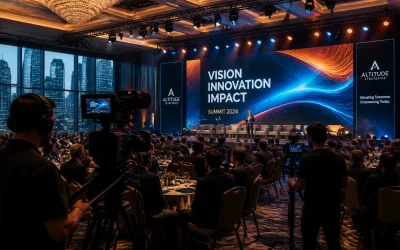
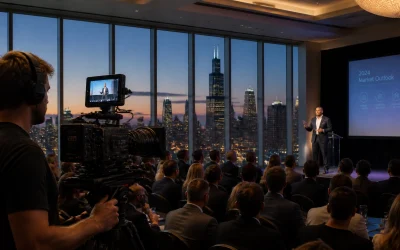
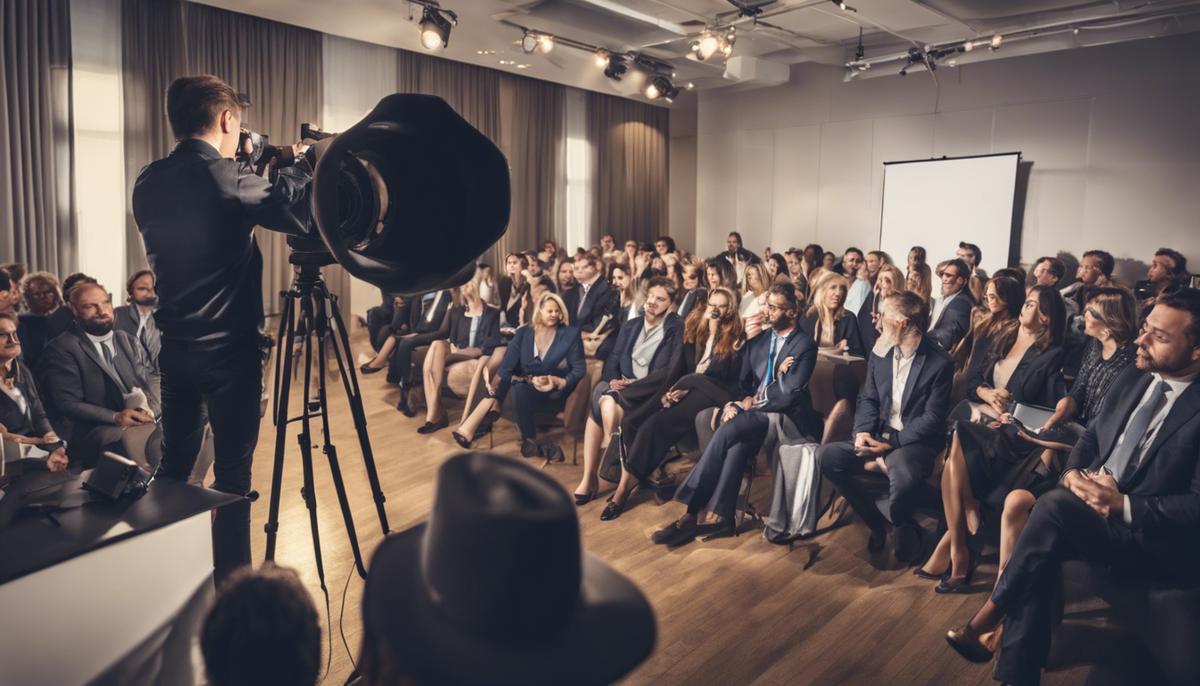
Mastering lighting and composition is essential for enhancing the visual impact of corporate press conference photographs. Lighting can dramatically change the mood and tone of an image, so it's crucial to understand how to manipulate available light to your advantage. Using both natural and artificial light sources creatively can help highlight the subjects, reduce unwanted shadows, and enhance the overall aesthetic appeal of your shots.
Composition involves framing your shot to tell a story. The way you position speakers, the audience, and the backdrop can affect the viewer's perception. Techniques such as the rule of thirds, leading lines, and framing can guide the viewer's eye to the focal points you wish to emphasize. These methods add depth and interest to your images while conveying the significance of the event.
In press conference settings, utilizing shadows can add depth, creating visual interest that flat lighting often lacks. Shadows can emphasize textures and shapes, contributing to the narrative of your photograph. The interplay between light and shadow can bring out the dramatic essence of the moment, capturing the gravity of the event.
Balancing the light ensures that your subjects are well-lit and identifiable, which is particularly important when speakers are the primary focus. Experimenting with different angles and light positions can reveal the best setup to illuminate your subjects effectively without causing distractions or overpowering the scene.
Strategic composition allows you to place elements within the frame to achieve balance and harmony. The inclusion or exclusion of certain background elements can influence the atmosphere of the image. Cropping and positioning can eliminate unnecessary distractions and ensure the viewers focus on the intended subjects, whether it be the speaker, audience reactions, or interactions between participants.
Experimenting with different perspectives can convey the scale of the event, capture the energy of the room, and spotlight key moments with greater impact. A low-angle shot can make a speaker appear more authoritative, while a high-angle shot of the audience can showcase the event's attendance and engagement.
Combining effective lighting with thoughtful composition transforms ordinary press conference photos into captivating stories. These visual stories serve as a record of the event and engage viewers long after the conference has ended. Achieving proficiency in photography ensures that the essence and significance of corporate press conferences are accurately and beautifully represented through your work.
Capturing Candid Moments and Key Speakers
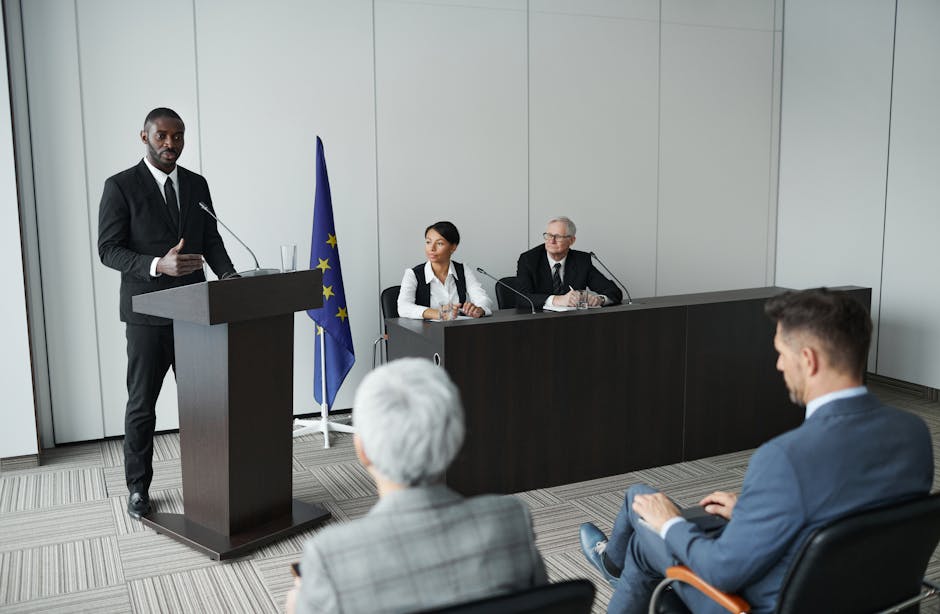
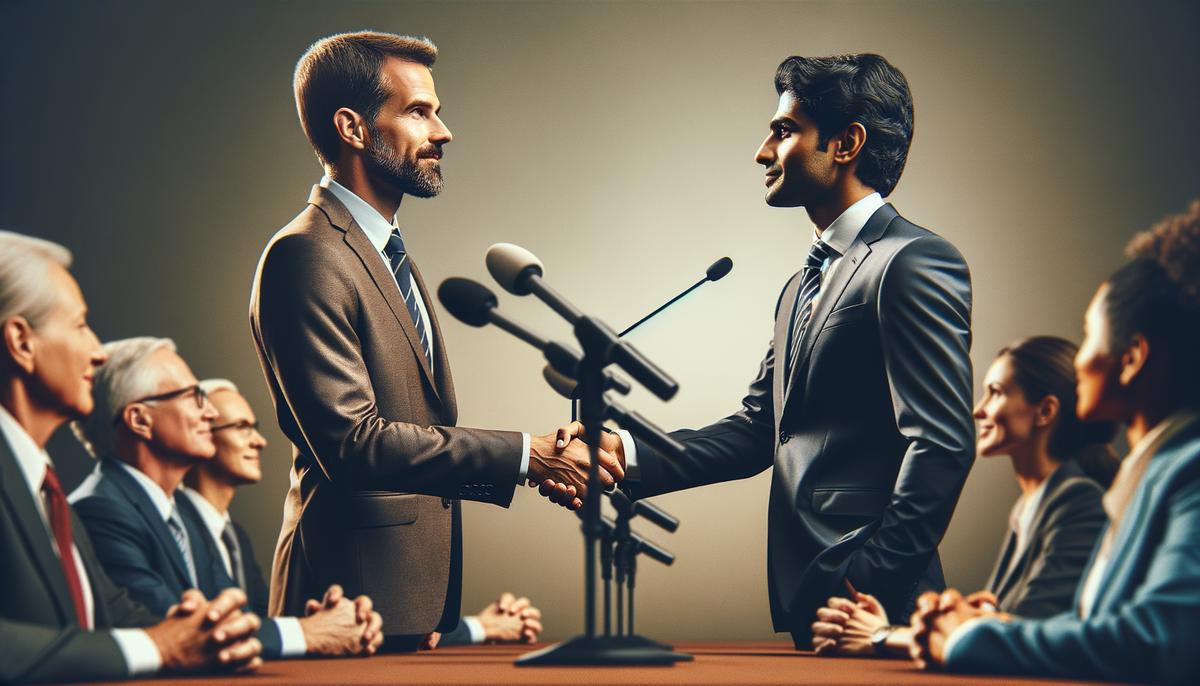
In the whirlwind of a press conference, where every sentence could be a headline, photographers are tasked with storytelling through imagery. Beyond the bright lights and podium speeches, it's the unscripted, candid moments and the impactful speeches of key speakers that often leave a lasting impression. Here's how to capture these essential elements, combining technical skill with the intuition to seize fleeting moments.
Position yourself strategically in the sweet spots where action happens. Key speakers often have a designated space for their address, but it's the moments before and after they speak, along with their interactions, that provide opportunities for captivating photos. Locate yourself where you predict activity will converge but remain unobtrusive and ready to move. Your presence shouldn't distract from the event's natural flow.
Anticipation is your best ally. Pay attention to the event's schedule and be mindful of when speakers are transitioning on or off stage, as these are prime moments for capturing candid expressions and interactions. Watch the audience's reactions too; their engagement levels can clue you into when a speaker is hitting a high note or if a spontaneous moment is about to occur.
Aim to capture expressions of concentration, enthusiasm, and genuine reactions from both speakers and attendees. These moments offer a glimpse into the emotional landscape of the conference. Focus on faces, gestures, and engagements that encapsulate the event's essence—these are the images that tell the story beyond words spoken into microphones.
Use light to convey the mood. Lighting also assists in highlighting emotions and energy inherent in candid moments and keynote addresses. Thoughtful use of shadows can emphasize contemplation or determination on a speaker's face, while well-placed light captures the sparkle of engagement in an attendee's eyes.
When focusing on candid shots and keynote speakers, simplicity in composition allows the subject's authenticity to shine. Resist the urge to crowd your frame; instead, allow ample negative space. This serves to isolate your subject, drawing viewers directly into the moment being presented. A clutter-free approach amplifies the impact of candid captures and magnifies key messaging conveyed by speakers.
Remember that perfect moments are fleeting. Utilizing your camera's continuous shooting mode enables you to capture those split seconds where expressions peak and interactions spark. Reviewing these rapid bursts post-event allows you to select images with the most potent storytelling power.
In the vast choreography of press conferences, where every moment is laden with potential significance, the skill lies in tuning into the undertones, the unspoken swaying of body language, chuckles, pondering stares, and emphatic gestures. Capturing candid moments and key speakers with sensitivity paints a comprehensive picture, one that echoes with the realism and vibrancy of the event long after the last words have been spoken. Through strategic positioning, anticipation, and a nuanced understanding of human expression and energy, your photography can unveil the rich tapestry of narratives pulsating through press conferences.
Gear Preparation and Technical Settings
Diving into gear preparation and technical settings, every seasoned corporate press conference photographer knows that capturing those perfect, story-telling moments lies not just in creativity and an eye for detail but also in having the right equipment and understanding camera settings.
1. Essential Photography Gear:
Gear preparation involves selecting tools that best match the dynamic and frequently challenging environments of corporate press conferences.
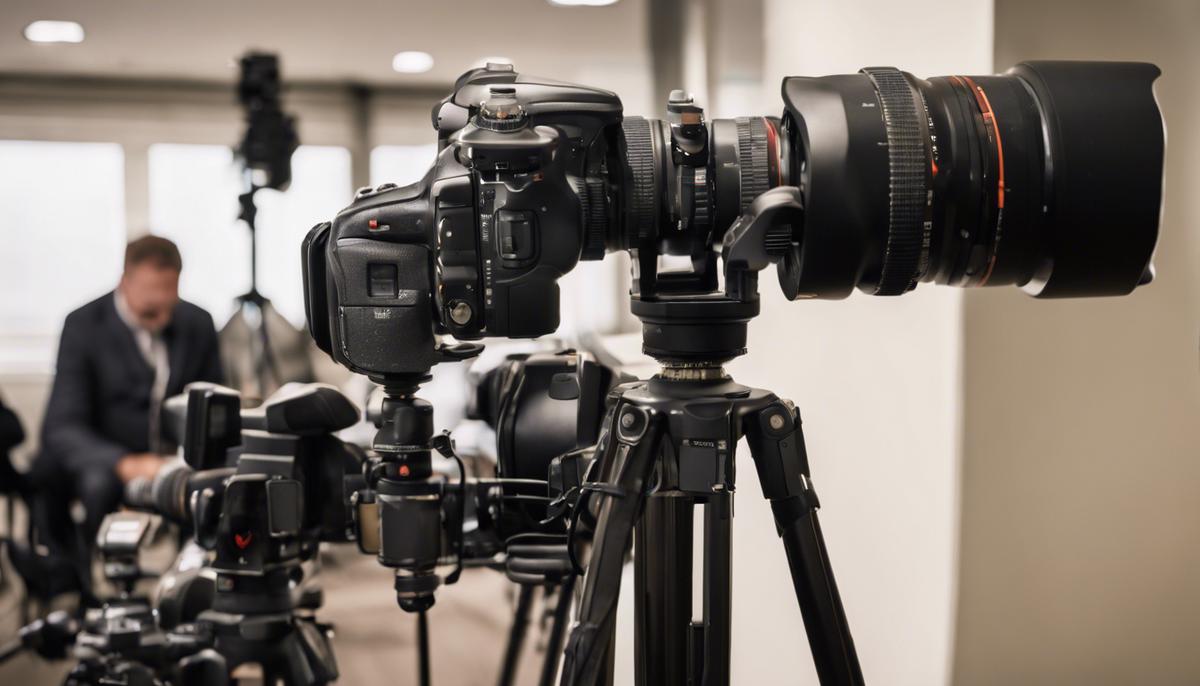
- Camera and Lenses: Use a reliable DSLR or mirrorless camera that performs well in low light. A couple of versatile lenses will serve you well; a fast standard zoom lens like a 24-70mm f/2.8 for wider shots of the event, and a 70-200mm f/2.8 telephoto zoom for close-ups from a distance, allowing you to capture expressions and details without being intrusive.
- Lighting Gear: Pack a portable flash or LED panel to fill in the shadows and balance the light on your subjects' faces, especially in dim conditions or against strong backlighting from windows.
- Accessories: Don't forget essentials like extra batteries, memory cards, and a sturdy tripod. A monopod can also be helpful for longer shoots, offering stability without sacrificing mobility.
2. Optimal Camera Settings:
When attending a press conference, you're bound to encounter a mix of lighting conditions, rapid speaker changes, and audience reactions that you'll want to capture flawlessly. Here's how you can adjust your camera settings to face these challenges.
- Mastering Manual Mode: Set your camera to manual mode for full control over exposure. This allows you to quickly adjust settings without relying on automated modes that might misinterpret complex lighting scenarios.
- Adjusting ISO: Start with a lower ISO setting to maintain image quality and gradually increase it only as necessary to compensate for low light. Modern cameras offer good results even at higher ISOs, but it's important to avoid unnecessary noise.
- Aperture and Shutter Speed: Use a wider aperture (smaller f-stop number) like f/2.8 to allow more light onto the sensor, helping to isolate your subject from the background with a shallow depth of field. A faster shutter speed is crucial for freezing moments instantly – think 1/200s or faster to capture animated expressions and spontaneous applause.
- White Balance and Color Accuracy: Auto white balance often does a decent job, but for color-critical shooting, consider setting it manually according to the lighting conditions to ensure lifelike hues, especially on skin tones.
- Capturing The Moment: Familiarize yourself with your camera's continuous (burst) shooting mode. It's perfect for capturing every gesture and fleeting expression, especially during pivotal moments like standing ovations or humorous anecdotes shared by speakers.
By honing your skills in these areas of gear preparation and technical camera settings, you equip yourself with the capability to overcome common photography challenges at press conferences and the confidence to capture compelling stories and moments that define these events. Beyond all the technical know-how and equipment, it's your unique perspective and readiness to adapt that will truly set your images apart.
Combining effective lighting with thoughtful composition does more than just document an event; it captures its essence. By focusing on these elements, photographers can elevate their work from mere images to stories that engage and linger in the memory, embodying the significance of each moment captured.
- Hurter B. The Best of Photographic Lighting: Techniques and Images for Digital Photographers. Amherst Media; 2012.
- Freeman M. The Photographer's Eye: Composition and Design for Better Digital Photos. Focal Press; 2007.
- Hagen R, Golombisky K. White Space Is Not Your Enemy: A Beginner's Guide to Communicating Visually Through Graphic, Web and Multimedia Design. CRC Press; 2017.