Choosing the right visual theme for your brand is akin to setting the stage before a performance. It's about creating an environment that resonates with your audience, inviting them into a space where they can connect with what you stand for. This initial step is crucial, as it lays down the foundation for how potential customers perceive and interact with your brand.
Choosing the Right Visual Theme
Understanding your audience is crucial. Younger demographics might resonate with vibrant, dynamic photos, while a more mature audience could prefer classic, understated elegance. It's essential to strike a chord with the viewers' emotions and values, creating a silent dialogue through imagery. Think of it as crafting a visual handshake – you want it to be both welcoming and representative of your brand's personality.
Cohesion across all platforms ensures your brand is immediately recognizable, whether seen on Instagram, your website, or print materials. Consistency in visual themes reinforces brand recall. It's the harmony of repetitive patterns or colors that makes your brand not just seen but remembered.
Illustrating your brand's position in the market through visuals can set you apart from competitors. A niche brand selling handmade crafts might opt for warm, textured photos that convey craftsmanship and detail. At the same time, a tech company could choose sleek, futuristic imagery that emphasizes innovation. The visual theme is a strategic tool, subtly communicating how your brand differs from others.
Selecting the right visual theme is about aligning visuals with your brand's essence and the story you wish to tell. It's about making deliberate choices that not only present your product in the best light but also build an emotional bridge to your audience. Each image should add to a cohesive narrative that promotes understanding and affinity toward your brand.
Consider the flexibility of your theme. As your brand grows and evolves, your visual identity may need to adapt. A versatile theme can grow with you, allowing for refreshment and updates without losing the core aesthetic appeal that your audience has come to recognize and love.
By placing strategic thought into selecting your visual theme, you're shaping how your brand is perceived. It's an invitation to potential customers to get to know your brand better, on a level that words alone cannot reach. Think of it as laying down the visual tracks that lead your audience into your brand's universe, making every exchange a meaningful step towards lasting engagement.
Developing a Strategic Shot List
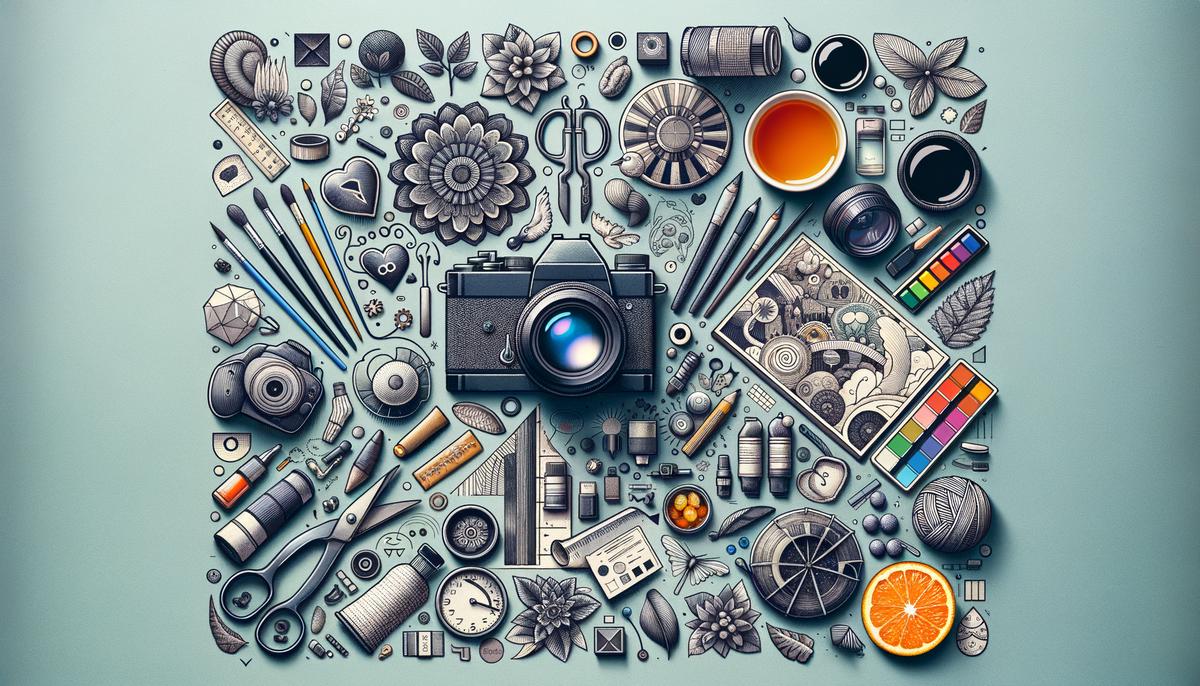
A strategic shot list is your game plan for a photo shoot. It lists all the specific shots you need to capture, being the who, what, where, and how's of your photography session. This isn't just about making sure you've got a bunch of pictures by the end of the shoot; it's about crafting a visual narrative that genuinely speaks to your audience and bolsters your brand's identity.
First, make a detailed inventory of every photo you need. This could range from close-up shots of your product to lifestyle images showing the product in use. Don't overlook anything. If you think a behind-the-scenes shot of the brainstorming process behind your latest product will resonate with your audience, add it to the list!
Remember, while product shots are indispensable, lifestyle images and candid behind-the-scenes photos breathe life into your brand's story. They offer your audience a sneak peek into the brand's culture and values, showcasing the genuine people and processes behind the scenes. These images can build a deeper connection with your audience, displaying not just what you sell, but who you are.
For each entry on your shot list, be specific. Note down the desired background, props, models, and even the emotion or vibe you want the photo to convey. You're setting the stage for each shot to ensure it tells the part of your story you want it to tell.
Next, organize your shot list in a logical order. Group similar shots together to streamline the shoot. This means plotting out your location changes in advance or grouping all product shots that require similar setups. Efficiency is key here. The less time you spend setting up, the more time you have to capture that perfect shot.
Ensure your shot list includes variations of each photo for different uses – think Instagram squares, banner images for your website, and landscape shots for brochures. This foresight saves you from a hurried scramble for suitable images when launching a new marketing campaign.
While sticking to your script is important, embrace spontaneous moments. Often, it's the unplanned shots that turn out to be the most authentic and engaging. Therefore, while your strategic shot list serves as a blueprint, remain adaptable.
Creating a strategic shot list requires balancing meticulous planning with spontaneity and insight into what makes your brand unique. It doesn't just document your products or services; it tells the story of your brand in a way that connects emotionally with your audience. This list is your roadmap to a successful shoot – instrumental in ensuring that not a moment is wasted, and every shot contributes powerfully to your brand's visual narrative.

Leveraging Social Media for Promotional Impact
Once you've got your visual theme dialed in and your strategic shot list ready, the next move is diving into social media. A well-orchestrated social media plan can propel your product launch into the spotlight, creating waves that resonate far beyond your initial splash. Here's how to leverage social media for a promotional impact that makes a splash, harmonizing with your brand's visuals and narratives to captivate and engage your audience.
Embrace the unique flavor of each social media platform:
- Instagram, with its visual-heavy layout, is perfect for those breath-taking shots of your product in action, lifestyle portraits, and candid behind-the-scenes moments. Use the Stories feature to share ephemeral content that gives a raw, personal peek into your brand's world.
- For Twitter, craft those snapshots into compelling captions that prompt retweets and conversations.
- LinkedIn, on the other hand, is your go-to for longer, more insightful posts that reflect on your product's journey from concept to market—perfect for building credibility and authority in your industry domain.
Consistency is key—but so is variety. Mix up your content types across platforms to keep things fresh while maintaining a cohesive brand vibe. A video clip of your product reveal on Instagram Reels or TikTok can spark intrigue and excitement, while a detailed infographic shared on Facebook can provide depth and context, encouraging shares and driving engagement.
Engagement is not a one-way street. Beyond posting stunning visuals and captivating content, social media is about fostering a community around your brand. Respond to comments, reshare user-generated content, and pose questions to your followers. Creating this two-way dialogue not only increases engagement but also strengthens the relationship between your brand and its audience. People love feeling heard and valued—make them feel like part of your brand's journey, and they'll become some of your most vocal champions.
Don't underestimate the power of hashtags and trends. Aligning your posts with relevant hashtags can increase visibility, drawing in viewers outside your immediate circle. Jumping on trends, when appropriate for your brand, can show your company's personality and keep content relevant and relatable. Just remember, the fit with your brand's image and values should always come first.
Analytics are your compass in the social media landscape. Pay attention to how different types of content perform on various platforms. These insights can guide your strategy, helping you to iterate and enhance your approach for even greater reach and resonance. Regularly reviewing your analytics allows you to understand what truly captivates your audience, so you can do more of what works and reevaluate what doesn't.
Harnessing the power of social media for your promotional efforts isn't just about blasting your message into the void—it's about crafting content that speaks to and resonates with your audience, engaging with them in meaningful ways, tracking what works, and constantly refining your approach. It's how you turn passive viewers into active participants and customers into community. With social media, your product isn't just seen—it's experienced, shared, and remembered. And at the end of the day, isn't that the mark of a truly impactful launch?

Selecting the appropriate visual theme goes beyond aesthetic appeal; it's about forging an emotional connection with your audience. It's this connection that transforms casual viewers into loyal customers and advocates for your brand. By thoughtfully aligning your visuals with your brand's essence and narrative, you invite audiences to understand and engage with your story on a deeper level.
- Aaker DA. Building Strong Brands. New York, NY: Free Press; 1996.
- Holt DB. How Brands Become Icons: The Principles of Cultural Branding. Boston, MA: Harvard Business School Press; 2004.
- Kapferer JN. The New Strategic Brand Management: Creating and Sustaining Brand Equity Long Term. 4th ed. London, UK: Kogan Page; 2008.
- Wheeler A. Designing Brand Identity: An Essential Guide for the Whole Branding Team. 4th ed. Hoboken, NJ: John Wiley & Sons; 2013.