Planning and Pre-Event Preparation
Understanding the event layout is crucial for business expo photography. Before the event, getting a map from the organizer can help in identifying where key events will be happening. This knowledge allows for strategic positioning to capture dynamic shots without causing obstructions.
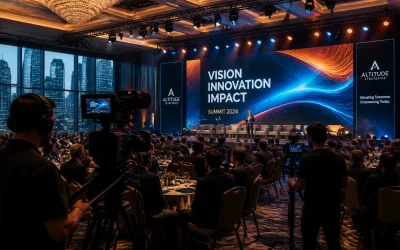
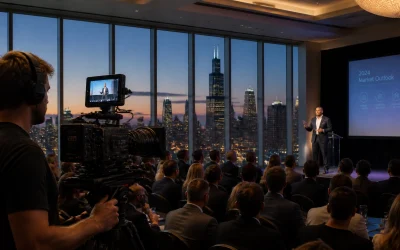
Knowing which moments are worth capturing comes next. This involves communication with the event's organizers to understand the schedule of events, such as:
- Keynote speeches
- Product demonstrations
- Award ceremonies
These moments often encapsulate the energy and essence of the expo, making them must-capture events.
Liaising with organizers also provides access to insider details that might not be publicly available. They can inform you about surprise elements in the program or special guests, offering unique opportunities for capturing compelling content.
Creating a rough timeline based on the information gathered helps in managing time effectively during the expo. This timeline includes planning for arrival, setup, and even allocating time to edit a few outstanding shots onsite, if possible. The goal is to ensure comprehensive coverage of both grand openings and notable intricacies.
Counting on flexibility within that timeline is vital too. Expos can be unpredictable with their flow, so being prepared to capture spontaneous moments that arise outside of the planned schedule is important. These unexpected shots often become the highlight of the expo photography portfolio, showcasing the scale and the community that form during the event.
Lastly, preparing for business expo photography involves technical readiness – ensuring all equipment is in top shape, backup gear is on hand, and memory cards are empty and ready to go. This technical checklist can make or break the ability to capture the full scope and subtleties of the event effectively.
All these pre-event preparations aim to craft a rich narrative of the business expo through photography.
Capturing Dynamic Booth Interactions
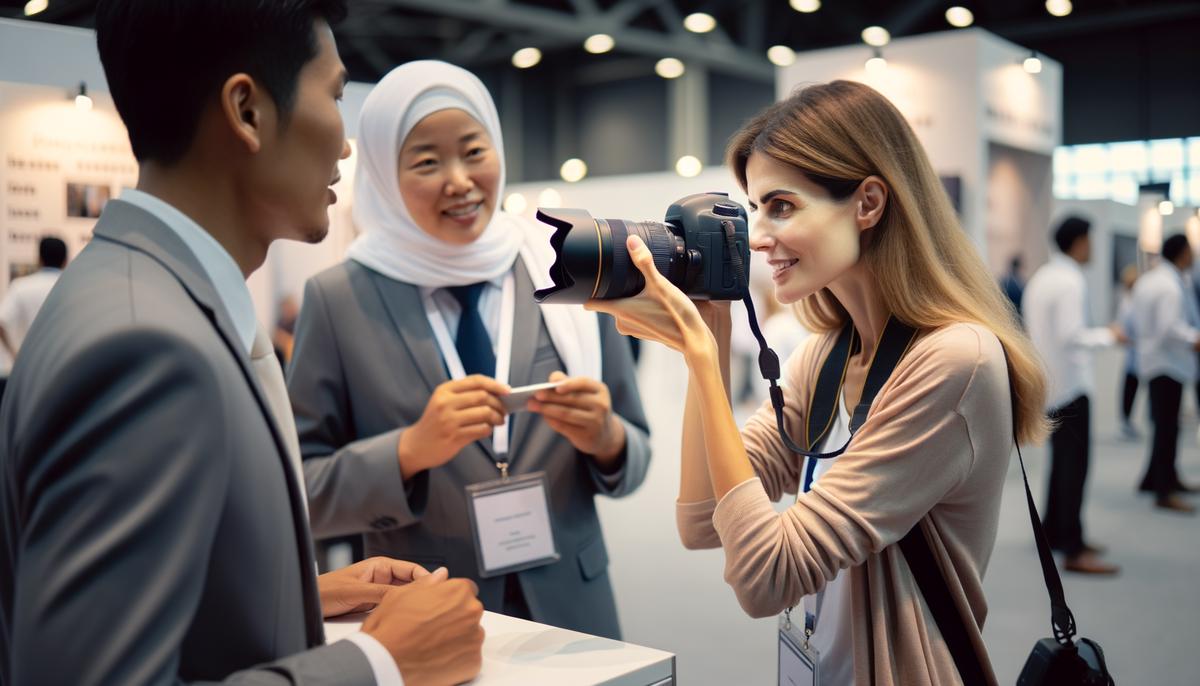
Once you've got the logistics down and your camera is ready, turn your attention to capturing dynamic booth interactions. This aspect involves a nuanced approach to photography that respects and highlights the essence of face-to-face interactions at the booth.
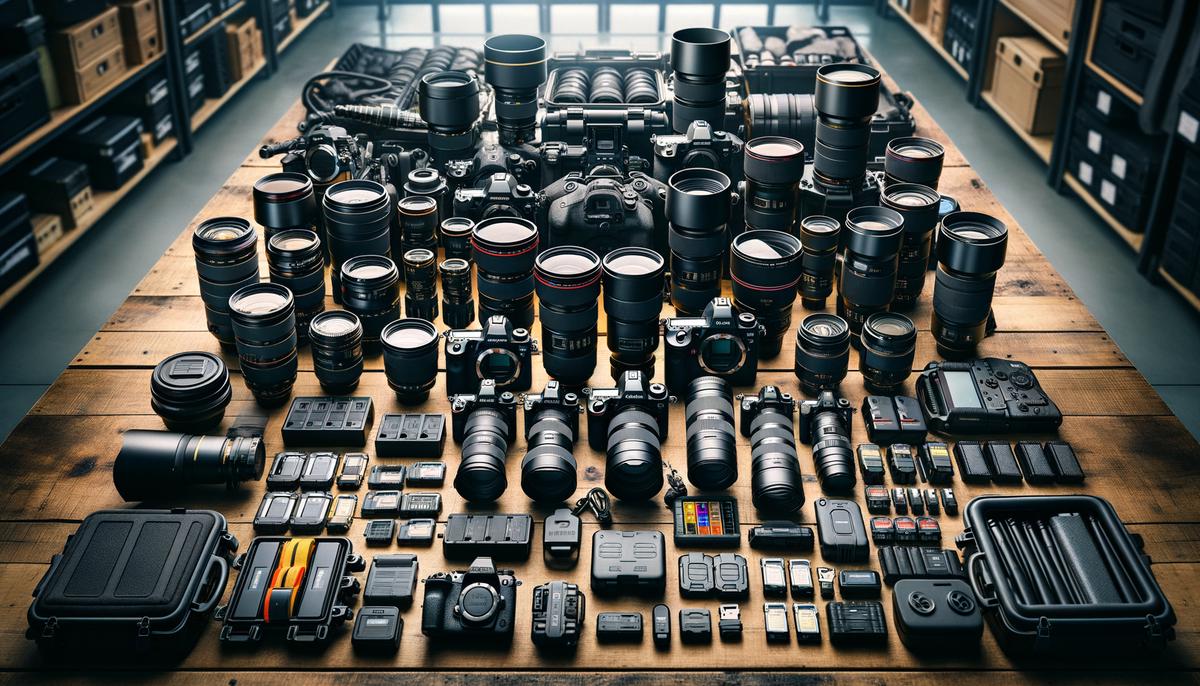
Start by observing the crowd's flow and how individuals interact with the booth setup. Notice how some visitors are drawn to particular aspects of the booth, whether it be a product demonstration, a video presentation, or an engaging activity. These attractions are your hotspots for capturing compelling images.
When photographing these moments, focus on the expressions of the participants. Look for genuine reactions—surprise, joy, deep focus, or camaraderie among teammates. These emotions tell a story more vividly than any static image of the booth setup could. Capture people in mid-conversation or while they are intently examining a product. These candid shots often hold more energy and authenticity.
However, be respectful of people's space and comfort. If someone seems uneasy with being photographed, move on. It's crucial to maintain an ethical approach throughout your photography process. To get more composed photos without losing the natural feel, try engaging with the booth staff and participants when appropriate. A little interaction can lead to more open and welcoming photography subjects.
Pay attention to the lighting within the booth. Indoor lighting can be tricky, especially with varying sources like spotlights on products or presentations. Test different settings on your camera to find what works best for capturing sharp images without losing the natural ambient light that adds depth and mood to your photos. Sometimes, stepping back and using a longer zoom can help capture the atmosphere of the booth while also getting the interaction in focus.
Don't forget to capture wide-angle shots that encompass the entire booth atmosphere—from the staff working hard, connecting with visitors, to the crowd around the booth engaging with the material. These broader shots add context to your closer, intimate portraits of individual interactions.
Towards the end of the event, take moments to shoot the winding down phase—these shots of booth staff and attendees in more relaxed states can portray a different, equally engaging aspect of booth interactions. The end-phase of events often reveals tired yet satisfied expressions, packing up, casual conversations, and reflections on the day's success which are invaluable for storytelling.
Capturing dynamic booth interactions is about staying observant, being empathetic towards your subjects, and using both technical and creative photography skills to freeze meaningful moments. These images not only document but also narrate the compelling human element that makes industry events essential spaces for connection and growth.
Post-Processing and Marketing Usage
Once the bustle of the expo subsides, it's time to transition from capturing moments to sculpting them in the post-processing stage. The raw images you've carefully collected serve as the clay from which you'll craft your visual narrative, one that showcases the essence of the event. Selecting the shots that best embody the expo's vitality and attendee engagement is your first step. You want only those pieces that speak volumes, showcasing interactions at booths, laughter, and the intricate details of your offerings.
Dive into the editing process, where the magic happens. Here, you balance colors, adjust lighting, and perhaps crop images to frame your subjects just right. This isn't just about making pictures look "pretty." It's about enhancing them to reflect the atmosphere of the expo, ensuring every photo vibrates with the same energy felt on the showroom floor. It's here that photos transform into vibrant stories, enticing viewers to experience or recall the event.
Having perfected your collection, the next crucial phase is leveraging these images across multiple marketing channels. Incorporate them into email newsletters as visual testimony of your dynamic presence, embed them on your blog with anecdotes that give readers behind-the-scenes insight, or share them across social media platforms with engaging captions that spark conversations. Each post, tweet, or update acts as a beacon drawing attention to your brand's proactive industry participation.
Don't forget the power of reports and presentations. Adding photos to post-event summaries or future strategy discussions with stakeholders brings authenticity to your narratives. It offers proof of your brand's vigor and its resonation with the audience. These images tell a story of success, ambition, and connectivity. They argue convincingly for continued or enhanced investment in future expos and marketing endeavors.
Lastly, consider creating a dedicated section on your website for expo participations. Populate it with galleries from each event, employing meticulous SEO practices to ensure your images surface on search engines. It's an eloquent way to showcase your brand's journey, achievements, and evolution over time.
By mastering the post-processing of your expo images and strategically deploying them across your marketing arsenal, you amplify the return on your event investment. These images become ambassadors of your brand's dynamic presence in the industry, illustrating not just where you've been, but how those experiences shape where you're headed.
- Siskind J. The Power of Trade Show Photography. Exhibitor Magazine. 2018.
- Thomson M. How to Capture Compelling Event Photography. Digital Photography School. 2020.
- Fisher L. Mastering Post-Processing for Event Photography. PetaPixel. 2019.