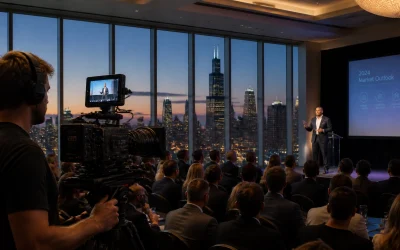
Event photography captures more than just images; it encapsulates the essence of moments that tell a story far beyond what words can convey. As we venture into the nuances of capturing charity events, understanding the blend of technical skill and emotional intelligence required becomes paramount. This journey through the lens aims to highlight how photography serves not just as a record but as a powerful narrative tool in showcasing the impact and importance of these events.
Understanding Event Photography Needs
Grasping the purpose behind a charity event, whether it's raising awareness for a cause or gathering support for underprivileged sectors, shapes the focus of your photography. This understanding ensures you capture the heartwarming moments and crucial aspects that highlight the charity's mission, sponsor logos, key attendees, and meaningful interactions. Tailoring your approach to these elements can significantly affect the impact of the photos. High-quality images of attendees engaging with the event and its activities bring the atmosphere to life long after the lights go down.
Photographing a charity event involves storytelling. Every shot should contribute to the narrative of the cause, drawing attention to the purpose behind the gathering. Finding those candid moments where participants genuinely connect with the cause can make powerful images that resonate with viewers and inspire them to support. These moments are not always apparent, but looking for natural interactions and genuine expressions often leads to the most impactful photos.
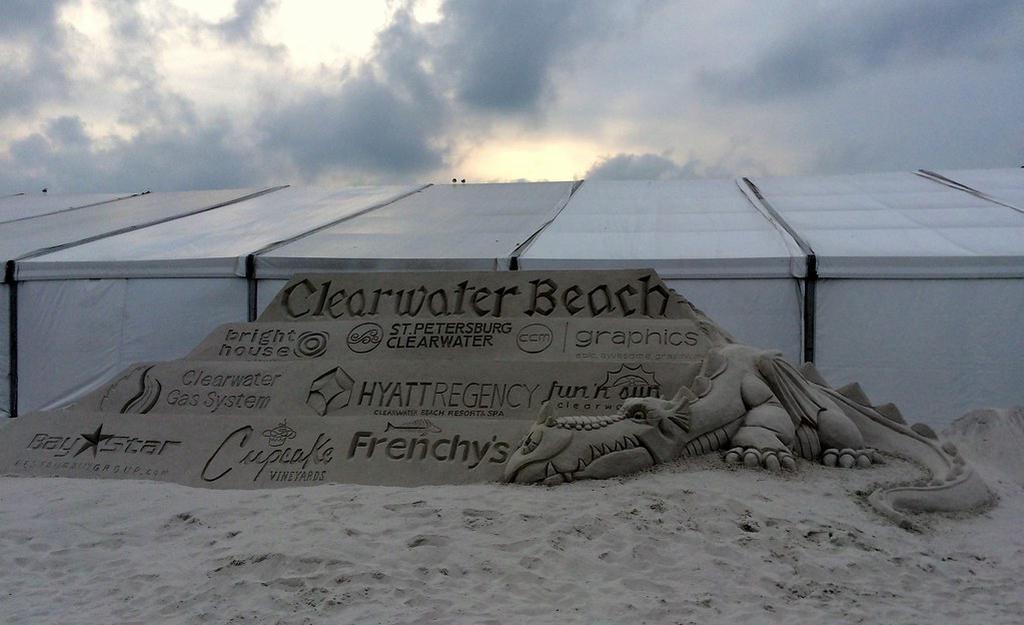
Incorporating sponsor logos and branding into your photos plays a critical role in fulfilling partnerships and agreements. It's not just about snapping pictures with logos visible in the background; it's about creatively integrating them so they become a harmonious part of the event's story. This might include capturing moments where attendees interact with branded materials or signage.
Understanding your clients' needs before the event is key to successful photography. Communicating with organizers to grasp their expectations, desired outcomes, and key elements they want to emphasize gives you a roadmap to work with. This prior knowledge aids in strategic planning of your shots and ensures no significant moments are missed.
The choice of equipment also affects the range and quality of photos you can capture. Bringing gear that allows flexibility and quick adaptation to different lighting conditions and settings is crucial. While high-end cameras are standard, having a variety of lenses at your disposal means you can capture wide-angle shots of the entire venue and intimate portraits that focus on individual experiences.
Offering real-time uploads and instant sharing options can enhance participant experience. Attendees appreciate the ability to see and share professional photos of themselves supporting a cause they care about in real-time. This boosts the event's visibility through social media shares and enhances engagement and participant satisfaction.
Paying attention to the post-event photo selection and editing process is essential for delivering impactful images. This final step involves choosing photos that best represent the event's achievements and the organization's mission. Thorough editing enhances these images to ensure they depict the event in the best light possible, ready for press releases, promotional materials, or next year's event planning.
Incorporating these considerations into your event photography approach will help ensure that you meet and exceed your client's expectations, delivering not just photos but powerful stories and moments that promote their cause and increase engagement from supporters.
Building Relationships with Organizers and Guests
Building relationships with event organizers and attendees can sound like homework, but it's more like creating a circle of friends who appreciate what you do and recognize the power of your photography. It's about making sure that when people think of photography, they think of you, not just as a service provider but as a vital part of making their event memorable.
Start by engaging with event organizers early on. Reach out to them, not just to understand the type of photos they want, but also to grasp the mission behind the event. Knowing why an event is important to the organizers and attendees gives your photos that heartbeat, capturing not just images but also the essence of their cause. Talk to them about how you can best tell their story through your lens. This shows genuine interest in making their event shine, a step beyond just doing business.
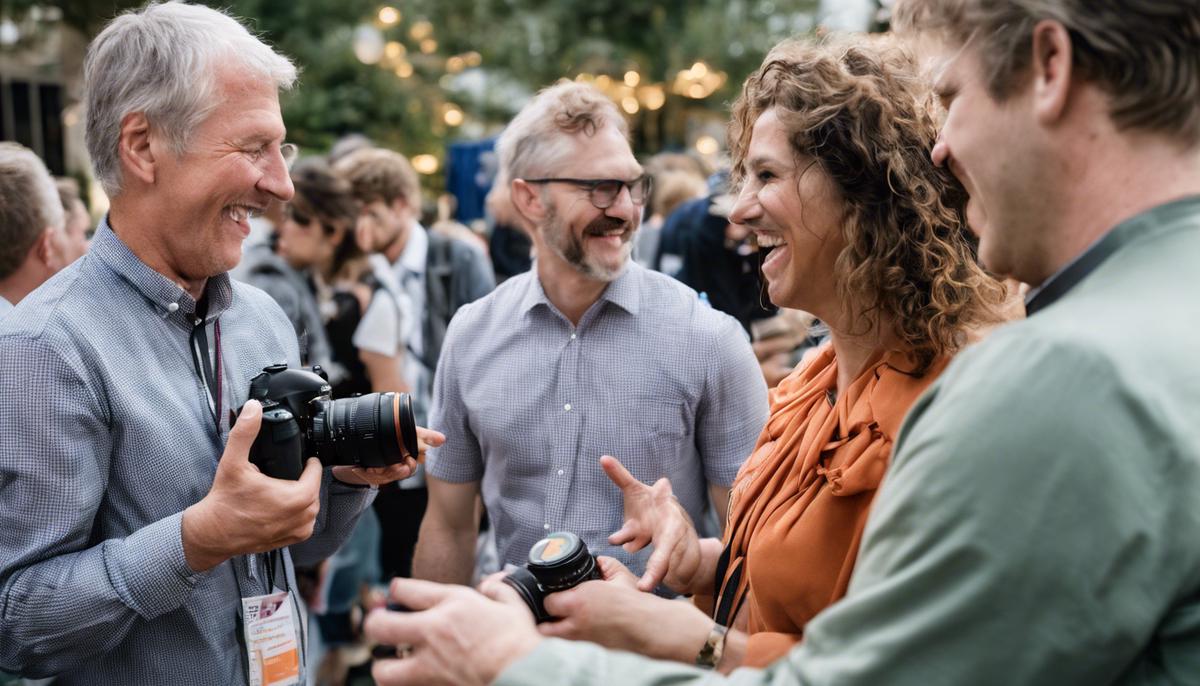
When you're at the event, be more than a fly on the wall. Yes, blend into the background to capture those candid moments, but also interact with attendees. A smile here, a quick chat there—these small interactions make folks comfortable around you. They start seeing you not just as the photographer but as part of their event. Plus, it makes it easier to get those natural expressions, because they're responding to a friendly face, not just a camera lens.
Take your time to prepare attendees when you're about to take their photo, especially in more staged moments like with sponsors or special guests. Explain how you're positioning them, why it works for the photo, and how it complements the event's goals. It shows you're thinking about how each photo fits into the larger narrative of the event, showcasing its success to the world.
After the event, follow up. Not just by delivering photos on time, but also by sharing how proud you are to have been part of the event. Use social media to highlight the great work done by the charity—tag them and get the conversation going about the success of their event. This gesture builds goodwill and recognizes their efforts publicly.
Make yourself available for feedback from both the organizers and participants after the event. What did they love? What could be done differently? Using this feedback not only improves your service but shows you value their opinions, fostering a sense of mutual respect.
Creating a bond with event organizers and attendees is about being seen as more than just a service provider. It's about being an enthusiastic participant in their mission, someone who adds value and genuinely cares about the event's success. By doing so, you're not just getting hired for one event; you're building a network that thinks of you first when photography needs arise, all through interaction, anticipation, and exceeding expected standards.
Leveraging Technology for Event Photography
As we explore the dynamics of leveraging technology for event photography, it's important to dive into the array of technological advancements and how they seamlessly mesh into capturing and amplifying the essence of charity events. In today's digital age, harnessing the power of sophisticated photography equipment and software is a must for professionals aiming to elevate their work.
Advanced cameras with high-resolution sensors and lenses capable of capturing sharp, vibrant images even in low light scenarios ensure that every photo tells a story worth sharing. At charity events where every moment has the potential to be meaningful, employing cameras that offer rapid shooting capabilities means you'll never miss those fleeting, yet poignant moments.
But capturing is just the beginning. The next critical step involves the utilization of powerful editing software. Today, photographers can swiftly tweak and fine-tune images. This speedier workflow means photos are ready to be shared much faster, maintaining the momentum of the event's ambiance in real time.
Which brings us to an equally important aspect of leveraging technology: instant sharing capabilities. Through Wi-Fi enabled cameras and mobile devices loaded with social media apps and cloud-sharing platforms, photos can now traverse from camera to the online world in a matter of seconds. This instant gratification not only delights clients and attendees but also amplifies the reach of the charity's mission, allowing for real-time engagement from those within and outside the event's immediate sphere.
Furthermore, innovative software solutions allow for intriguing possibilities such as virtual galleries where attendees can view and share the event's captured moments. Imagine the amplified impact when viewers, regardless of their physical location, can immerse themselves in the event's atmosphere, further broadening the charity's message and encouraging global interactions and support.
Photography powered by the latest technology doesn't just capture the moment; it enhances it. It provides a bridge between the event and its wider community, fostering connectivity and shared experiences. Through strategic use of advanced cameras, adept editing software, and swift sharing capabilities, photographers are not merely capturing moments—they're amplifying the mission of the charity, creating ripples of awareness across digital wavelengths.
Leveraging technology in event photography extends beyond merely upgrading gear. It's about harnessing these tools to capture compelling narratives, engage audiences in real-time, and contribute significantly to the lasting impact of charity missions. Technology thus becomes more than a facilitator; it becomes a catalyst for storytelling, engagement, and change.
In conclusion, event photography transcends traditional boundaries by weaving together technology, skill, and creativity to tell compelling stories that resonate. The key takeaway is recognizing that each photograph holds the potential to not only document but also amplify the underlying mission of charity events, thereby fostering a deeper connection between the subject and its audience. It's this ability to capture and communicate emotion and purpose that defines the essence of effective event photography.