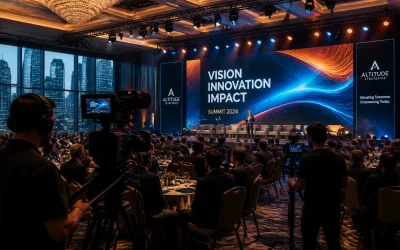
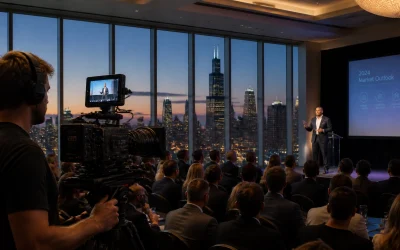
Understanding Activations Photography in Corporate Events is about more than just taking pictures. It’s about capturing the energy, engagement, and essence of the brand’s interaction with its audience. Activation photography involves documenting the moments when a company brings its service or product to life, encouraging guests to participate in an immersive experience. These activations are designed to create a lasting impression and are a critical aspect of modern marketing strategies.
At Corporate Pixels, we specialize in capturing these dynamic interactions. Our expert photographers are skilled at anticipating and documenting pivotal moments that showcase the vibrancy of the event. From the initial excitement as guests arrive to the intricate details of the branding elements, we ensure that every aspect of the activation is preserved. This approach not only provides valuable content for your company’s marketing efforts but also helps to reinforce the connection between the brand and its audience.
To truly master activations photography, it’s essential to have a keen understanding of the event’s objectives and the brand’s message. This enables photographers to focus on capturing images that tell a story and resonate with the intended audience. Our team works closely with event planners and marketing professionals to align our photography approach with the event’s goals, ensuring that the resulting images are both engaging and on-brand.
Don’t miss the opportunity to capture the magic of your next corporate activation. Get in touch today to discuss how our activations photography services can elevate your event and provide you with a portfolio of compelling images that celebrate your brand’s presence and impact.
Essential Equipment for Professional Activations Photography

For professional activations photography, having the right equipment is paramount to capturing high-quality images that convey the event’s atmosphere and energy. Essential gear includes a reliable camera with high resolution and fast autofocus capabilities to handle the dynamic environment of activations. A selection of lenses is also crucial; a wide-angle lens can capture the scope of the event, while a fast prime lens is ideal for portraiture and detail shots.
Lighting equipment is another key component. External flashes or LED panels help in managing challenging lighting conditions, ensuring that the subject is well-lit and the mood of the activation is accurately represented. Additionally, photographers often employ diffusers and reflectors to soften shadows and highlight details without compromising the natural ambiance.
Stabilization gear, such as tripods and gimbals, is also beneficial for maintaining sharpness in images, especially in low-light situations or when capturing video content. Meanwhile, memory cards with high write speeds are necessary to keep up with continuous shooting, ensuring no crucial moment is missed.
Moreover, the use of wireless triggering systems can facilitate off-camera lighting setups, allowing for more creative and impactful imagery. Finally, a sturdy camera bag that can hold and protect all this equipment is an unspoken must-have for any activations photographer on the move.
At Corporate Pixels, we understand that the quality of activations photography hinges not only on the photographer’s skill but also on the quality and reliability of their equipment. That’s why we invest in state-of-the-art gear to ensure we deliver crisp, vibrant, and engaging images every time.
Lighting Techniques to Enhance Activations Imagery

Lighting plays a pivotal role in activations photography, transforming a standard image into an extraordinary one. To enhance activations imagery, photographers must master various lighting techniques that cater to the unique atmosphere of each event. One popular method is the use of diffused lighting to create a soft, even look that minimizes harsh shadows and highlights the branding elements of the activation.
Backlighting is another effective technique, adding depth and dimension to the photographs by separating the subject from the background. It can also be used to create a halo effect, which can add an ethereal quality to the images. Side lighting, on the other hand, is excellent for emphasizing textures and shapes, bringing the finer details of an activation to life.
For dynamic and vibrant imagery, photographers may employ colored gels on their lights. This approach can match or enhance the event’s theme colors, contributing to a cohesive visual narrative. Additionally, the use of spotlights can direct the viewer’s attention to specific areas or activations, ensuring key branding messages are not missed.
At Corporate Pixels, our photographers are adept at using these lighting techniques to capture the essence of each activation. By manipulating light creatively, we ensure that the final images not only reflect the event’s atmosphere but also amplify the experiential impact of the activation itself.
Composition and Storytelling in Activations Photography

Effective composition and storytelling are at the heart of compelling activations photography. A well-composed image guides the viewer’s eye through the scene, ensuring that the key elements are engaging and the message is clear. Photographers must consider the rule of thirds, leading lines, and framing to create a balanced and impactful visual narrative.
The rule of thirds involves dividing the frame into nine equal parts and positioning the most important compositional elements along these lines or at their intersections. This technique helps in creating a more harmonious composition. Leading lines, such as those provided by architectural features or pathways, can direct the viewer’s gaze towards the focal point, often the centerpiece of the activation.
Framing is another technique where photographers use elements within the environment to enclose the subject, drawing attention to it and adding context to the photo. This could include using doorways, windows, or even crowds of people to frame the activation in a creative way.
Storytelling through activations photography requires a thoughtful approach to capturing the event’s narrative. It’s about more than just photographing the setup; it’s about conveying the experience of the attendees, the excitement of the brand engagement, and the overall atmosphere. By focusing on interactions, reactions, and emotions, photographers can tell a comprehensive story of the event that resonates with viewers and leaves a lasting impression.
At Corporate Pixels, our expert photographers excel in using these compositional strategies to deliver captivating imagery that tells the story of your brand’s activation in a single glance.
Post-Processing Tips for Polished Activations Photos

After capturing the raw energy of an activation event, the work continues into the post-processing stage, where photos are polished to perfection. This crucial step ensures that the final images reflect the vibrancy and professionalism of the event. Here are some indispensable post-processing tips for creating standout activations photos.
Firstly, adjusting the exposure and contrast can help to bring out the details in the images, making them pop. Over or underexposed photos can be corrected to showcase the event in the best light. Balancing highlights and shadows ensures that no important details are lost.
Color correction is also paramount to maintain the true essence of the brand’s colors and the mood of the event. This step requires a calibrated monitor for accurate color representation. Adjusting the saturation and vibrancy will enhance the images without making them look unnatural.
Sharpening is necessary to bring clarity to the images, but it should be done judiciously to avoid introducing noise. This can be particularly important for capturing the fine details in branding materials or the textures of a venue.
Lastly, removing any distractions through cloning or healing tools can focus the viewer’s attention on the main subjects of the photo. This might include eliminating background clutter or unwanted reflections that could detract from the overall composition.
At Corporate Pixels, our post-processing experts use these techniques to ensure that your activations photography stands out with a polished and professional finish that aligns with your branding and event goals.
Building a Portfolio and Marketing Your Activations Photography
For photographers specializing in activations photography, creating an impressive portfolio is the key to attracting new clients and showcasing your expertise. Your portfolio should be a curated collection of your best work, illustrating your ability to capture the essence of various events with creativity and technical skill.
Begin by selecting high-quality images that demonstrate your range and versatility. Include shots that show intricate details, wide-angle scenes, and candid moments to provide a comprehensive view of your style and capabilities. Emphasize images where your skills in lighting, composition, and post-processing shine through.
Once your portfolio is assembled, marketing your services becomes the next crucial step. Utilize social media platforms to reach a broader audience, and consider creating a dedicated website where potential clients can view your work and learn more about your services. Networking with event planners, corporate communications departments, and PR agencies can also open doors to new opportunities.
Search engine optimization (SEO) is an essential tool in digital marketing. By optimizing your online content with relevant keywords like ‘activations photography’, you can improve your visibility in search engine results, making it easier for clients to find you.
Remember, as you grow your business, maintaining a high level of professionalism and delivering exceptional results will lead to repeat clients and word-of-mouth referrals. If you’re ready to elevate your activations photography and need a partner to capture compelling images for your events, Get in touch today with Corporate Pixels. Visit corporatepixels.com to explore our services and start a conversation about your event photography needs.