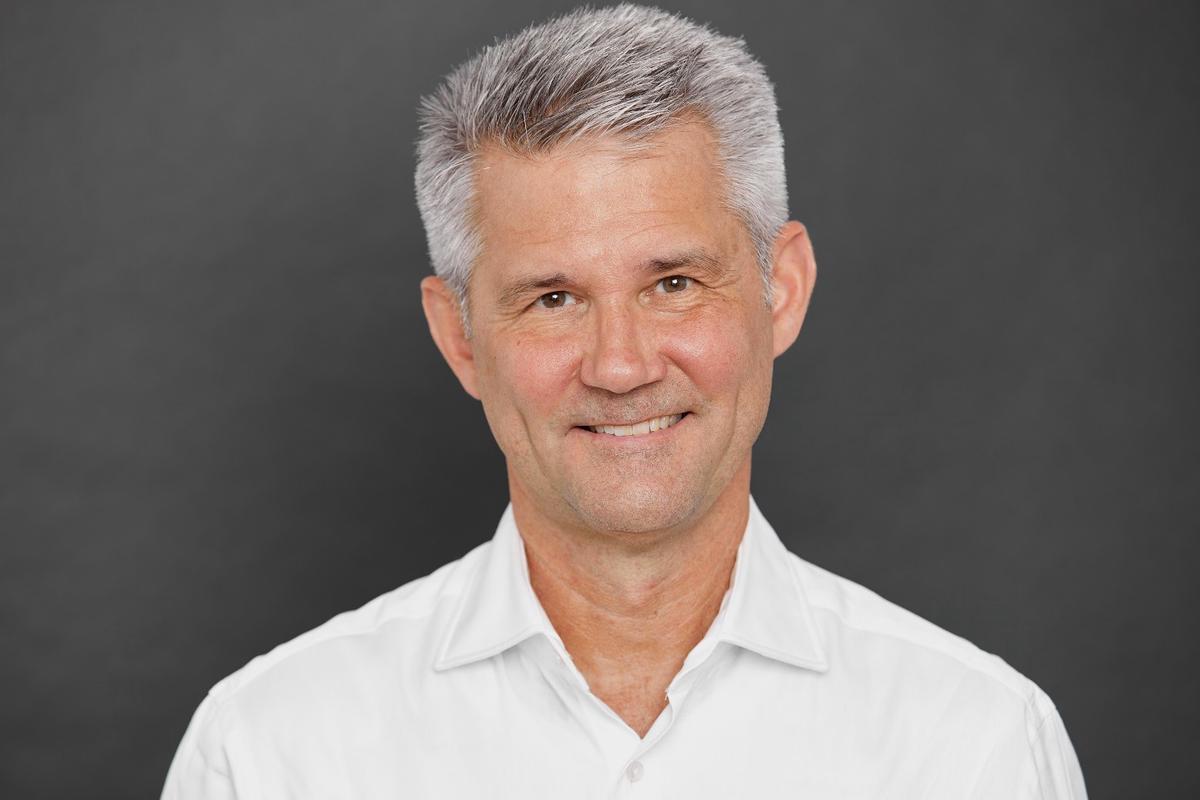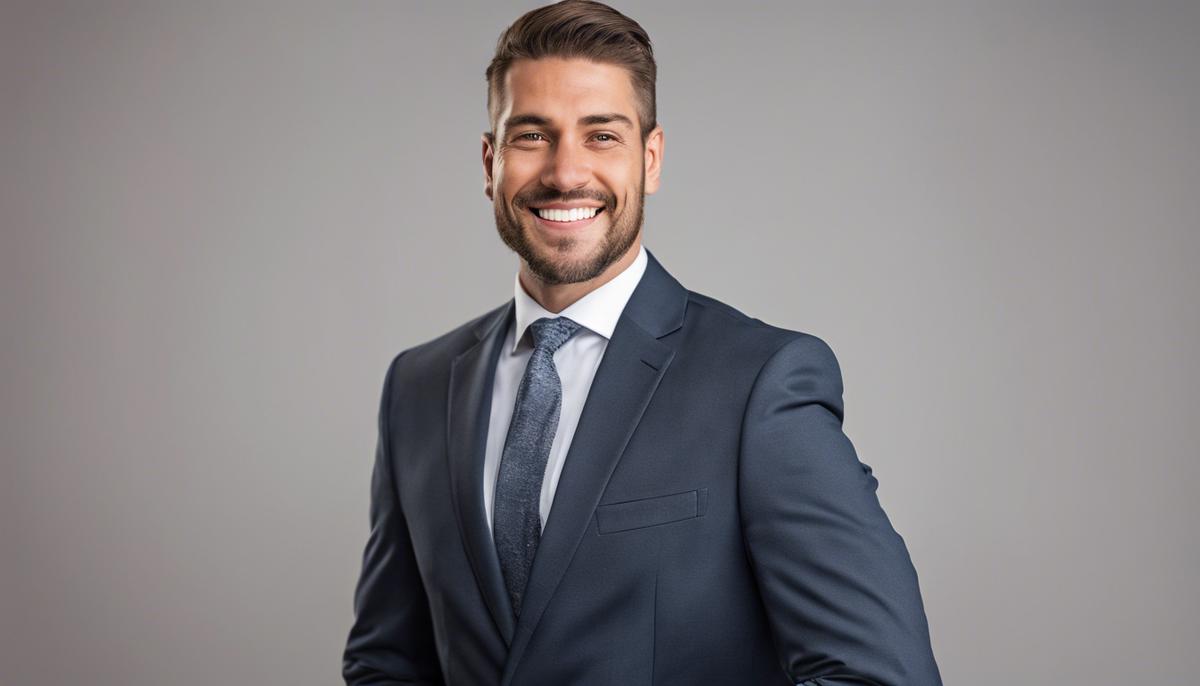
In today's digital landscape, the significance of a professional image cannot be overstated. As we navigate through the nuances of personal branding and professional representation, the role of executive headshots emerges as a critical element in shaping perceptions and opening doors to new opportunities. This discussion aims to shed light on the multifaceted importance of executive headshots, guiding professionals on how to best present themselves in a competitive environment.
Importance of Executive Headshots
Executive headshots play a key role in shaping the way professionals are perceived in the digital age. In an era where online presence is crucial, these images often serve as the first point of contact. They set the stage for how potential clients, investors, and collaborators view an individual before ever meeting face to face.
High-quality executive headshots convey professionalism, competence, and approachability. This combination is vital in establishing trust and credibility. Whether it's on a company website, linked to a LinkedIn profile, or featured in industry publications, a well-crafted headshot can differentiate an executive from the competition.
In the professional world, making a strong first impression is essential to seizing opportunities. People form an opinion of others within seconds of seeing them, especially online. A powerful executive headshot positions an individual as detail-oriented, showing they value professionalism in all aspects of their work. This perception can influence hiring decisions, partnership opportunities, and even the likelihood of securing investments.
Personal branding is increasingly important today. Executives must strategically manage how they are portrayed across various platforms to steer their careers in the desired direction. An executive headshot is an element of one's personal brand. It reflects one's identity and values, forming the cornerstone of personal branding efforts. Through these images, professionals communicate not just who they are but who they aspire to be.
Executive headshots also impact networking efforts. Profiles featuring professional headshots are often perceived as more engaging and generate more interest. This is an invaluable asset in expanding one's professional network, attracting right-fit opportunities and fostering connections that propel careers forward.
These professional images can inspire confidence, not just in prospective clients or employers, but also within the individual. A high-quality photograph that captures one's best self can boost self-esteem and motivation, impacting professional demeanor and performance.
The process of obtaining an executive headshot encourages individuals to reflect on their personal brand, define how they wish to be perceived, and take control of their professional image. This exercise is about deliberate branding and image management in a competitive landscape.
Executive headshots should evolve as one's career progresses. Updating headshots regularly ensures that the professional image conveyed online aligns with current positions and career objectives. This alignment ensures authenticity in personal branding, an essential element in building lasting professional relationships.
In conclusion, executive headshots are a strategic tool. They can influence perceptions, open doors to new opportunities, and play a crucial role in the ongoing process of personal branding. An investment in a high-quality executive headshot is an investment in one's professional future.
Preparing for Your Session
Preparing adequately for an executive headshot session is akin to laying the groundwork for a successful project. It's about ensuring everything is in place to project the right image. Successful headshots require forethought and planning to encapsulate the essence of professionalism and approachability.
Securing adequate sleep is important. A good night's sleep rejuvenates the body and sharpens the mind, allowing your best self to shine through.
Attire selection is crucial. The clothes you choose for your session are a direct reflection of your professional brand. This decision goes beyond merely picking out a business-appropriate outfit. It's about selecting attire that speaks to your industry while also tying closely to the persona you aim to project. A dash of color or a distinctive accessory can add personality, making you stand out while still maintaining professionalism.
Understanding the headshot's purpose impacts your demeanor during the session. If your goal is to appear confident and approachable, visualize roles or instances where you naturally embody these qualities.
The camera lens captures subtleties. Any feeling of unease or discomfort can be evident in your photographs. Familiarizing yourself with poses that enhance your posture and convey confidence is important. Simple adjustments like angling your shoulders slightly towards the camera or practicing a genuine smile can have profound effects on the outcome. These tweaks are about presenting your best, most confident self.
A headshot session is a collaborative effort between you and your photographer. A proficient photographer will guide you through poses, expressions, and arrangements that best suit your professional image. Your job is to come prepared, reflecting on what makes you unique in your field and ready to showcase that essence visually.
Preparing for an executive headshot session spans physical, wardrobe, and mental preparation. It's an opportunity to reflect on your professional image and how you wish to be perceived in the business world. An executive headshot is a strategic tool in your personal branding arsenal, so giving it the attention and preparation it deserves is crucial.
Choosing the Right Attire
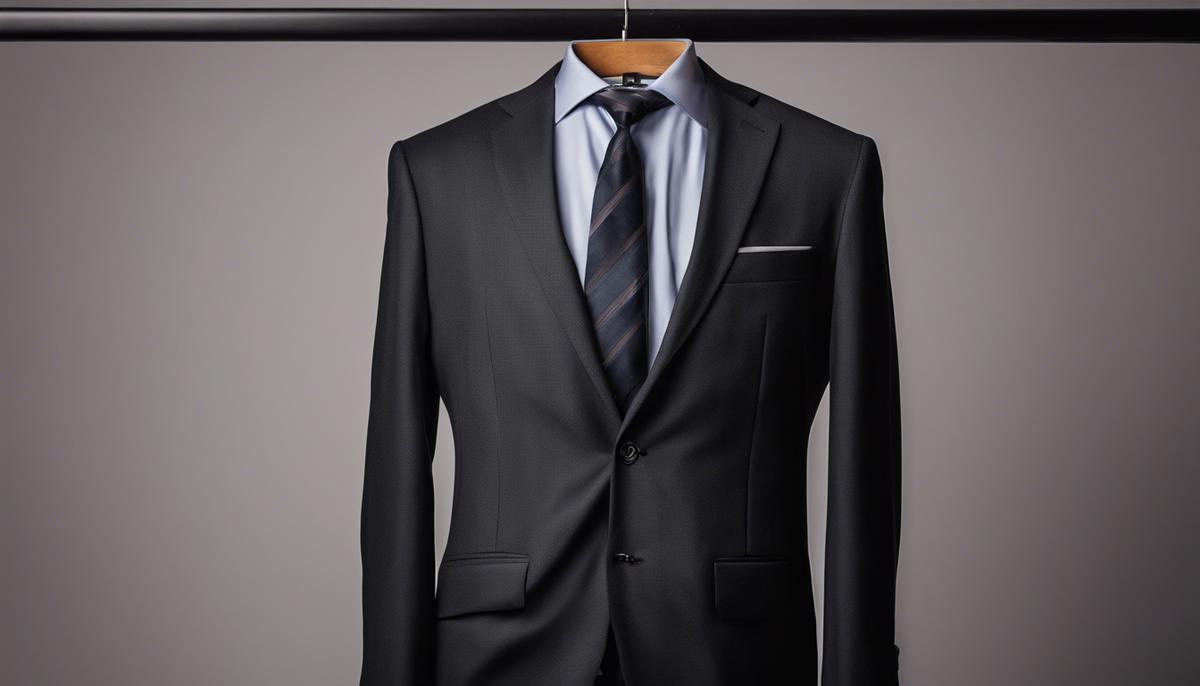
Choosing the right attire for an executive portrait requires a balance between industry expectations and personal brand expression. Attire holds the power to communicate one's professional ethos, diligence, and foresightedness. While a tailored suit may convey confidence in a corporate setting, creative domains might lend themselves to less conventional choices, showcasing creativity and innovation.
The guiding principle is alignment with industry standards while incorporating personal brand qualities into the ensemble. For instance, a tech entrepreneur might lean towards a smart, casual look that mirrors the innovative nature of their industry. A lawyer might opt for the timelessness of a dark, well-tailored suit that commands respect and exudes proficiency.
The message you aim to convey through your attire is a silent yet potent communicator. A marketing professional wearing a pop of color can depict creativity and energy. An investment banker in a bespoke suit may affirm their reliability and attention to detail.
When selecting attire, consider how the colors and textures will appear on camera and complement the chosen backdrop of the headshot. Neutral colors tend to work well and can help focus attention on the face and eyes, making the portrait more engaging. Adding a touch of your brand's color can be a clever nod to your professional identity.
Comfort plays an underrated role in picking out attire for a headshot session. If you're too focused on keeping your posture because of an uncomfortably snug collar, it will detract from the authenticity and approachability you otherwise might have easily showcased. Clothes that fit well add sharpness to your appearance and ensure you can be at ease, portraying confidence naturally.
Accessorizing smartly can add layers to what your attire conveys. For men, the right watch or pair of glasses can speak to their meticulousness. For women, jewelry mustn't overpower but subtly enhance their professional demeanor. A statement piece can hint at a bold approach to business, while minimalistic pieces might underscore sophistication.
Selecting the right attire for your executive headshot encompasses understanding brand narratives, industry norms, personal strengths, and how you wish these elements to meld visually. Every choice from color to cut and accessory should serve the purpose of amplifying the message you wish to send: a commitment to excellence, clarity in vision, and authenticity in action. This careful curation supports your personal brand and crafts a memorable first impression that can open doors to meaningful professional opportunities.
Posing and Expression
Mastering the art of posing and expression during an executive headshot session is pivotal in capturing the essence of professionalism with a touch of personal charisma. Striking the balance between confidence and approachability in a photograph requires more than just a good angle—it hinges on the interplay of posture, facial expressions, and an adept photographer's guidance.
A poised stance speaks volumes of confidence. A slight lean towards the camera can convey engagement and readiness, while maintaining straight, relaxed shoulders suggests openness and assurance. Shifting your weight to your back foot can convey a sense of casual authority and helps in achieving a more natural and relaxed pose. The strategic use of hands—placing them in pockets or gently clasping them together—can project calm and control, avoiding stiffness.
Facial expressions hold a mirror to one's professional persona. A genuine smile, one that reaches the eyes, can break barriers and warm up the viewer, making you seem inviting and confident. The trick lies in finding that authentic spark of joy rather than settling for a perfunctory, camera-ready grin. Encouraging a natural expression often involves the photographer creating a comfortable, engaging atmosphere during the shoot.
The photographer's role is significant in co-creating these authentic moments. They guide the tempo, mood, and composition of the shoot. They understand how to maneuver you into poses that highlight your strengths, all while keeping the session feeling organic. Their expertise lies in offering direction without dictating it, allowing space for your personality to shine through. Communicating the vision you have for your executive headshot will enable your photographer to seek out those genuine expressions that convey the essence of your professional image.
Attention to details such as the angle of your head, the tilt of your chin, or the direction in which you gaze can influence the perception of your portrait. A direct gaze can be powerful, signaling directness, whereas looking slightly away might introduce an element of introspection. Your photographer might experiment with different approaches to find that nuanced expression that truly encapsulates your professional demeanor.
Successful posing and expression in executive headshots boil down to a choreographed collaboration between you and your photographer, aimed at capturing not just a likeness but a narrative. It's the narrative of a professional at the pinnacle of their prowess—confident yet accessible, distinguished yet relatable. This nuanced portrayal enhances your personal brand and fosters a connective thread with viewers, potentially paving the way for new professional chapters and collaborations. The final image, a confluence of proper attire, poised stance, and sincere expression, becomes more than just a headshot—it's a testament to your professional journey and the persona you've cultivated along the way.
Choosing the Right Background
The background chosen for an executive headshot is crucial in enhancing the subject's image and ensuring they command attention without unnecessary distraction. While the focus should remain on the individual, the backdrop plays a supporting role in highlighting their professional essence and conveying their industry relevance.
In corporate photography, studio backgrounds often provide consistency and simplicity. Neutral colors such as white, grey, or black offer a classic and unobtrusive backdrop that emphasizes the subject, symbolizing professionalism and allowing for undivided attention on the executive's demeanor and attire. This approach ensures the viewer's focus remains on the individual.
However, the use of color and texture shouldn't be overlooked. A subtle touch of color could hint at an executive's brand personality or corporate identity, while a textured background might add depth and interest to the image. The key lies in balance, ensuring the background compliments without competing.
For those in creative or less conventional industries, a natural or in-office setting may better reflect their professional milieu. Choosing an environmental background offers context and tells a broader story. These settings contribute narrative layers to the portrait, grounding the individual in their professional habitat. However, caution must be exercised to ensure such backgrounds don't inadvertently clutter the image or steal focus away from the subject.
The decision between studio and natural settings depends on what you aim to communicate through your headshot. Studio backgrounds provide control and neutrality, while environmental settings offer authenticity and context. The choice must align with your professional narrative, reinforcing your personal brand.
Color and texture in the backdrop can elevate a photo, matching the portrayed professional's nature. It's about crafting a holistic image that, while focused on the subject, considers all elements to communicate the desired professional persona.
Controlling depth of field is important when integrating backgrounds into executive headshots. A well-tuned depth of field ensures that the background adds context or ambiance without becoming a distraction. This photographic technique keeps the executive sharply in focus while softly blurring the background.
In conclusion, the choice of background in an executive headshot requires careful consideration. It must complement and enhance the subject while aligning with the professional narrative you wish to convey. Selecting the right backdrop is essential in creating an impactful headshot that resonates with clarity, confidence, and professionalism.
Post-Session: Selection and Retouching
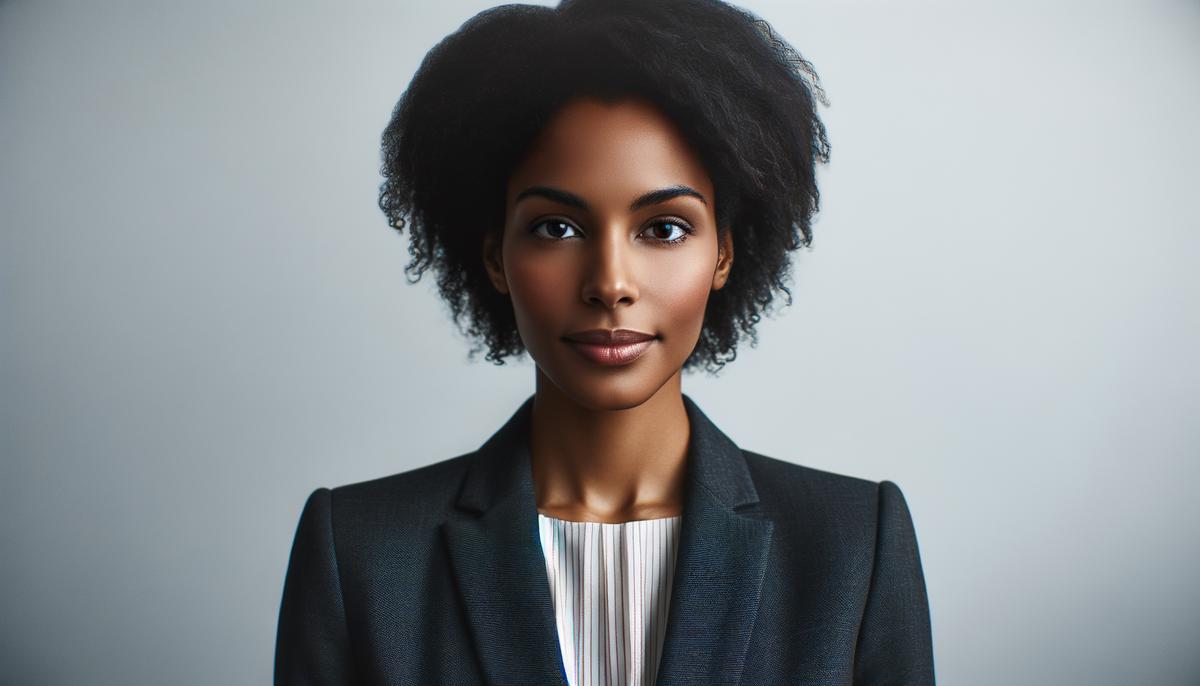
After the photo session, the process of selecting and retouching images is critical in crafting the perfect executive headshot. This meticulous process involves finding a balance between authenticity and presenting an idealized professional image that aligns with one's brand.
The selection process can be daunting with the numerous shots varying in expression, angle, and lighting. The key is to find images that not only capture your likeness favorably but also encapsulate your professional persona and the essence of your professional demeanor. It's about identifying a photograph that speaks to who you are, your aspirations, and your professional identity.
Collaborating with your photographer during this phase is invaluable. Their experienced eye can identify nuances and advise on the shots that best embody the desired professional narrative. This partnership makes navigating the options manageable and insightful, pinpointing images that resonate with your professional identity.
Once selections are made, the art of retouching takes center stage. Retouching in executive headshots walks a fine line between enhancing the image and maintaining authenticity. The objective is to present a polished version of oneself without distortion or misrepresentation. Ethical considerations underpin this process; the retouched images must still be a truthful representation of the subject. Minor imperfections can be addressed to polish the image, but altering fundamental features betrays the principle of authentic representation.
Retouching techniques should be employed with prudence and sophistication. Subtlety is the hallmark of professional retouching — enough to ensure the subject looks their best, but not so much that the image no longer represents reality. Skilled retouchers can enhance lighting, correct minor imperfections, and fine-tune the backdrop in ways that bring out the subject's best while preserving the integrity of the photograph.
The retouched executive headshot emerges as a product of careful consideration, skilled craftsmanship, and ethical enhancement. It stands as a blend of reality and aspiration, communicating the professionalism and unique narrative of the individual it represents. This final image encapsulates the compelling professional presence of the subject — their personal brand distilled into a singular, impactful visual statement.
The executive headshot becomes an integral component of personal branding and professional communication, a visual advocacy for one's competence and character in the digital professional landscape.
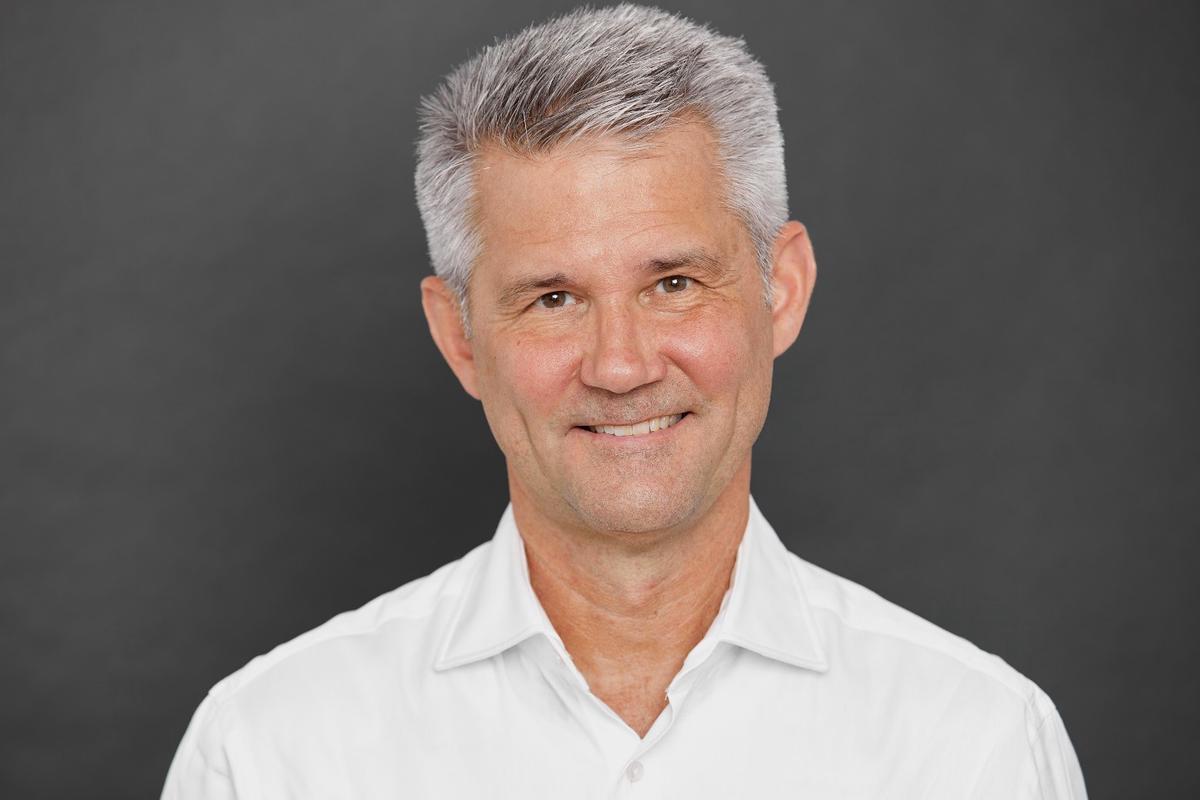
Presenting oneself in a manner that is both authentic and polished is key to professional success. An executive headshot serves as a visual handshake in the digital age, offering a glimpse into one's professional ethos. Investing in a high-quality executive headshot is a strategic move towards shaping one's professional narrative and future.