New York City is the undisputed heavyweight champion of corporate events. From high-stakes financial summits in the Financial District to cutting-edge tech launches in Silicon Alley, the energy here is unmatched. But with that high energy comes high pressure. When you are planning a massive conference at the Javits Center or an intimate executive retreat at a Chelsea loft, the stakes for your visual content are astronomical.
Unfortunately, many event planners and marketing directors fall into the same traps when hiring a corporate event photographer. They treat photography as a "nice-to-have" checkmark on a long to-do list rather than a strategic asset. If your photos don’t capture the prestige of your brand, you’re leaving money on the table.
Let’s dive into the seven most common mistakes we see in NYC corporate event photography and, more importantly, how you can fix them to ensure your next event is immortalized perfectly.
1. Hiring Based on the Lowest Bid
It’s tempting. We get it. Event budgets in cities like New York, Los Angeles, and Chicago are ballooning, and everyone is looking for a place to trim the fat. However, your event photographer should never be the place where you cut corners.
When you hire based purely on price, you aren't just getting a cheaper rate; you're often getting someone who lacks the specific etiquette required for high-level corporate environments. A budget photographer might show up in jeans to a black-tie gala or, worse, lack the backup equipment needed when a flash fails in the middle of a keynote.
The Fix: Look for corporate photography services that understand professional etiquette. You need someone who can blend into the crowd at a San Francisco tech mixer while still having the "command" to organize a group shot of twenty C-suite executives. Evaluate portfolios not just for "pretty pictures," but for consistency and the ability to handle high-pressure environments. Your photographer is an extension of your team; they will interact with your VIPs, so hire someone you trust to represent your brand.
2. Ignoring Brand Consistency and Visual Identity
You’ve spent hundreds of thousands of dollars developing your brand’s color palette, tone of voice, and market positioning. Why would you throw that out the window with inconsistent imagery? Many companies hire a conference photographer and give them zero direction on the "vibe." The result? A gallery of images that look nothing like your website or your previous marketing materials.
If your brand is "minimalist and high-tech," but your photographer delivers warm, vintage-style edits, those photos are essentially useless for your long-term marketing strategy.

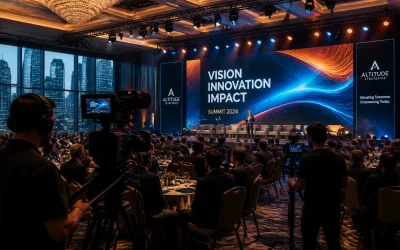
Alt text: A professional corporate event in a modern NYC glass-walled boardroom, showing consistent brand colors in the decor and digital displays, captured with clean, high-end photography.
The Fix: Before the event, share your brand guidelines. If you have a specific look you’re going for: say, the airy and bright aesthetic common in Miami events or the moody, sophisticated look of a Manhattan evening gala: tell them. Point them toward your showcase gallery to show what you've liked in the past. Professional corporate photography services will adjust their lighting and post-processing to match your existing brand assets.
3. Treating Photography as an Afterthought in the Schedule
One of the biggest mistakes is bringing the event photographer in at the very last minute. If the photographer doesn't know the "why" behind the event, they won't know the "who" or the "when."
In major hubs like Las Vegas or Orlando, where conferences are massive, a photographer who hasn't been briefed on the schedule will likely miss the most important networking moments. They might be taking a photo of the catering spread while your CEO is shaking hands with your biggest client in the hallway.
The Fix: Include your photographer in the final planning meetings. Give them a copy of the run-of-show. If you are also utilizing event video production, ensure the photo and video teams are coordinated. We often see teams from Proshoot working seamlessly with our photographers because they’ve mapped out the room together. Knowing where the "power spots" are on stage helps the conference videography team stay out of the photographer's frame and vice versa.
4. Failing to Manage Complex Lighting Environments
New York venues are famous for their "character," which is code for "nightmare lighting." Whether it’s the dark wood of a Midtown social club or the harsh, fluctuating LEDs of a modern convention center, lighting can make or break your business event photography.
Poor lighting leads to grainy images, weird skin tones, and "raccoon eyes" on your speakers. If your photographer isn't prepared for the specific challenges of your venue, your executives will look tired and unprofessional in the final delivery.

Alt text: A corporate keynote speaker on stage under professional stage lighting, with clear, crisp detail and no harsh shadows, demonstrating expert lighting management.
The Fix: Ask your corporate event videographer and photographer about their lighting kit. Do they use off-camera flash? How do they handle mixed light (sunlight from windows mixed with indoor yellow light)? A pro will often do a site visit or ask for photos of the space beforehand. If you’re looking for more technical advice on managing these setups, check out our tips section. Proper lighting is especially critical for event videography services, where "fixing it in post" is much harder than it is with still photos.
5. The "Spray and Pray" Approach (Lack of a Shot List)
A lot of people assume that if they hire a professional, the photographer will just "know" what to shoot. While a veteran event photographer has great intuition, they aren't mind readers. They don't know that the person in the third row is the founder of the company you’re trying to acquire. They don’t know that the most important part of the presentation is the slide on page 14.
The Fix: Create a categorized shot list. Break it down into:
- VIPs: Provide a "face sheet" if possible.
- Branding: Signage, step-and-repeats, and sponsor logos.
- Candid Interactions: High-fives, handshakes, and engaged audience members.
- Key Moments: Award handovers, ribbon cuttings, or product reveals.
This ensures that your conference photography isn't just a collection of random people eating sliders, but a strategic record of your event’s success. For inspiration on how to categorize your shots, look at our project reports.
6. Overlooking the Power of Video Integration
In 2026, still photos are only half the story. If you’re investing in corporate event photography, but ignoring event video production, you’re missing out on the highest-engaging content for LinkedIn and Instagram.
Many planners make the mistake of hiring two separate, uncoordinated companies for photo and video. This leads to "turf wars" over the best angles and cluttered stage fronts where neither professional can get a clean shot.

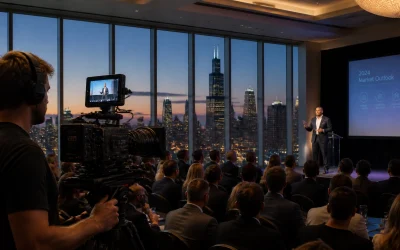
Alt text: A behind-the-scenes look at an event video production team and a corporate photographer working in harmony to capture a panel discussion at a large conference.
The Fix: Hire a unified team or ensure your vendors have a history of collaboration. Using event videography services alongside your photography allows you to create highlight reels, "sizzle" videos, and social media snippets that extend the life of your event by months. You can see examples of how integrated teams work by visiting our video gallery. Whether it’s conference videography in Washington D.C. or a brand activation in Austin, having a synchronized team is a game-changer.
7. Not Having a Plan for the "Day-After"
The mistake: The event ends on Thursday, and the marketing team wants to post a "wrap-up" on Friday morning. But the photographer has a 10-day delivery window. By the time you get the photos, the event is "old news" in the fast-paced world of social media.
In a city that never sleeps, waiting two weeks for your corporate event photography is a death sentence for your engagement metrics.
The Fix: Discuss "on-site delivery" or "next-day highlights." Most top-tier event photographers in NYC and other major cities like Boston or Seattle can provide a "social media teaser" pack within 24 hours. This allows your PR team to send high-res images to journalists and your social media manager to post while the event is still trending.
Why Strategy Matters
When you avoid these seven mistakes, you stop viewing photography as a cost and start seeing it as an investment. Quality business event photography builds trust with stakeholders, attracts future sponsors, and makes your next event easier to sell.
Whether you are looking for a corporate event videographer to capture a keynote in Houston or a conference photographer for a multi-day summit in Atlanta, the principles remain the same: plan early, communicate your brand, and don't settle for the lowest common denominator.
If you’re ready to elevate your visual presence, explore our articles for more deep dives into the world of professional imaging. Your event deserves to look as good as the work you put into it.
Don't forget that for specialized high-end production needs, our partners at Proshoot.io offer industry-leading solutions that complement our photography services perfectly. From event video production to complex conference videography, having a dedicated team ensures that no moment is left to chance.
Summary Checklist for Your Next NYC Event:
- Vet for Professionalism: Ensure they have experience with corporate crowds and high-pressure environments.
- Align Visuals: Share your brand book and desired "vibe" before the first shutter click.
- Coordinate Schedules: Make sure the event photographer and corporate event videographer are in the loop on all timing.
- Audit the Lighting: Discuss the venue's challenges and ensure the team is equipped for them.
- Refine the Shot List: Give the photographer a "Who's Who" list to ensure no VIP is missed.
- Think Multi-Media: Integrate event videography services to maximize your ROI.
- Speed Up Delivery: Plan for a quick-turnaround highlight reel for social media impact.
By following this guide, you’ll ensure your NYC event isn’t just another date on the calendar, but a landmark moment for your brand’s visual history.